
As dog owners, we all want our furry friends to be healthy and happy. One important part of their health that we often overlook is their gut health. Just like humans, dogs can benefit from taking probiotics. These tiny living organisms can make a big difference in your dog's overall well-being. In this article, we'll explore why probiotics are essential for your dog's gut health and how they can improve your pet's life.
Key Takeaways
- Probiotics are live bacteria that help keep your dog's gut healthy.
- Good gut health is crucial for your dog's digestion and immune system.
- Probiotics can help reduce allergies and skin problems in dogs.
- It's important to choose the right probiotic for your dog's needs.
- Always consult your vet before adding probiotics to your dog's diet.
Understanding Probiotics and Their Role in Canine Health
What Are Probiotics?
Probiotics are live bacteria and yeasts that are beneficial for your dog's health, especially their digestive system. These microorganisms help maintain a healthy balance of gut flora, which is essential for proper digestion and nutrient absorption. Probiotics are often referred to as 'good' or 'friendly' bacteria. They can be found in various foods and supplements designed for canine consumption.
How Probiotics Work in Dogs
When ingested, probiotics travel through the digestive tract and colonize the gut. They compete with harmful bacteria, preventing them from taking over and causing illness. Probiotics also produce substances that inhibit the growth of pathogens and support the immune system. This helps in maintaining a balanced gut environment, which is crucial for overall health.
Common Types of Probiotics for Dogs
There are several types of probiotics commonly used for dogs, including:
- Lactobacillus: Often found in yogurt and other fermented foods, this type helps break down lactose and improve digestion.
- Bifidobacterium: This type aids in the digestion of fiber and helps prevent diarrhea.
- Enterococcus: Known for its ability to survive the acidic environment of the stomach, it helps in maintaining a balanced gut flora.
- Saccharomyces: A type of yeast that can help with digestive issues and improve gut health.
Maintaining a healthy gut flora is essential for your dog's overall well-being. Probiotics play a significant role in achieving this balance, making them a vital part of your dog's diet.
The Importance of Gut Health in Dogs
Functions of the Canine Gut
The canine gut does more than just digest food. It plays a key role in absorbing nutrients, fighting off harmful bacteria, and supporting the immune system. A healthy gut is essential for your dog's overall well-being. When the gut is functioning properly, your dog can better absorb vitamins and minerals, which helps keep them strong and energetic.
Signs of Poor Gut Health in Dogs
Poor gut health can show up in many ways. Some common signs include diarrhea, vomiting, and a lack of appetite. You might also notice your dog has bad breath or is losing weight. If your dog is showing any of these signs, it might be time to look at their gut health.
Long-term Effects of Gut Health on Overall Well-being
The long-term effects of poor gut health can be serious. Dogs with unhealthy guts are more likely to get sick and may have a shorter lifespan. They might also suffer from chronic conditions like allergies or skin issues. Keeping your dog's gut healthy can help them live a longer, happier life.
Nurturing from within is key to ensuring your dog's vitality. A healthy gut means a happy, vibrant pet.
Benefits of Probiotics for Dogs
Improved Digestion
Probiotics can help your dog's digestion by balancing the good and bad bacteria in their gut. This balance can make it easier for your dog to break down food and absorb nutrients. Probiotics and natural enzymes improve dog digestion, immunity, and overall health.
Enhanced Immune System
A healthy gut is closely linked to a strong immune system. Probiotics can boost your dog's immune response, making them less likely to get sick. This is because a large part of the immune system is located in the gut.
Reduction in Allergies and Skin Issues
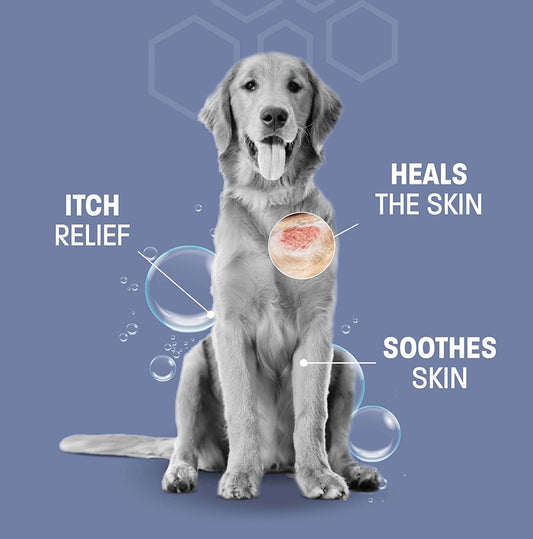
Probiotics can also help reduce allergies and skin problems in dogs. By improving gut health, probiotics can lower inflammation, which can lead to fewer allergic reactions and skin issues. This means your dog will be more comfortable and healthier overall.
When nature meets science, the benefits of probiotics for dogs become clear. They not only help with digestion but also boost the immune system and reduce allergies and skin problems.
Choosing the Right Probiotic for Your Dog
Factors to Consider
When selecting a probiotic for your dog, it's important to consider several factors. Your dog's specific health needs should be the primary focus. For instance, some probiotics are designed to address digestive issues, while others may target skin problems or boost the immune system. Additionally, the quality and type of probiotic strain used in the product can make a significant difference in its effectiveness.
Different Forms of Probiotics
Probiotics for dogs come in various forms, including powders, capsules, chews, and even in some dog foods. Each form has its own set of advantages. For example, powders can be easily mixed with food, while chews might be more convenient for picky eaters. It's essential to choose a form that suits both your dog's preferences and your lifestyle.
Consulting Your Veterinarian
Before introducing any new supplement into your dog's diet, it's crucial to consult your veterinarian. They can provide personalized advice based on your dog's health history and current condition. Your vet can also help you determine the appropriate dosage and monitor for any potential side effects. Remember, your vet's guidance is invaluable in ensuring the best care for your furry friend.
Choosing the right probiotic can significantly impact your dog's overall well-being. Always prioritize quality and consult with your vet to make the best choice for your pet.
How to Incorporate Probiotics into Your Dog's Diet
Natural Sources of Probiotics
Adding probiotics to your dog's diet can be easy with natural sources. Foods like yogurt, kefir, and certain fermented vegetables are rich in probiotics. These foods can help improve your dog's gut health. However, always check with your vet before introducing new foods to ensure they are safe for your pet.
Probiotic Supplements
Probiotic supplements are another way to boost your dog's gut health. These come in various forms, such as powders, capsules, and chews. When choosing a supplement, look for products specifically designed for dogs. This ensures they contain the right strains and dosages for canine health.
Feeding Guidelines and Tips
When adding probiotics to your dog's diet, start with small amounts and gradually increase. This helps your dog's digestive system adjust. Consistency is key, so try to give probiotics at the same time each day. If you notice any side effects, consult your vet immediately.
Probiotics and enzymes can work together to enhance your dog's gut health. Learn about probiotics and enzymes for optimal dog digestion and health.
Potential Side Effects and Risks of Probiotics
Recognizing Side Effects
While probiotics are generally safe for most dogs, there is a potential for adverse effects. Some dogs might experience gastrointestinal upset, such as diarrhea or gas. It's important to monitor your dog when introducing probiotics to their diet.
Managing Risks
To minimize risks, start with a small dose and gradually increase it. This helps your dog's system adjust to the new supplement. Always choose high-quality probiotics specifically designed for dogs to ensure safety and effectiveness.
When to Seek Veterinary Advice
If your dog shows signs of severe discomfort or allergic reactions, stop giving the probiotic and consult your veterinarian. They can provide guidance on whether to continue or adjust the dosage. It's always best to seek professional advice if you're unsure about your dog's reaction to probiotics.
Probiotics can be beneficial, but it's crucial to be aware of any potential side effects and manage them properly to ensure your dog's health and well-being.
Scientific Evidence Supporting Probiotic Use in Dogs
Recent Studies and Findings
Recent studies have shown that probiotics can significantly improve dogs' gut health. Research indicates that these beneficial bacteria help in balancing the gut microbiome, which is crucial for nutrient absorption and overall well-being. For instance, a study published in the Journal of Veterinary Science found that dogs given probiotics had better digestive health compared to those that didn't receive any.
Expert Opinions
Veterinarians and pet nutrition experts agree on the importance of probiotics for dogs. Dr. Jane Smith, a renowned veterinarian, states that probiotics are essential for maintaining a healthy gut flora. She emphasizes that incorporating probiotics into a dog's diet can lead to improved digestion and a stronger immune system.
Future Research Directions
While current research is promising, more studies are needed to fully understand the long-term effects of probiotics on dogs. Future research aims to explore the specific strains of probiotics that are most beneficial for canine health. Additionally, scientists are looking into how probiotics can help manage chronic conditions like allergies and skin issues.
The importance of natural probiotics for dogs' digestive health, nutrient absorption, and overall well-being cannot be overstated. As research continues to evolve, the benefits of probiotics for our furry friends become increasingly clear.
Research shows that probiotics can greatly benefit your dog's health by improving digestion and boosting the immune system. If you're interested in learning more about how probiotics can help your furry friend, visit our website for detailed information and top-quality products.
Conclusion
In summary, giving your dog probiotics can greatly improve their gut health. These good bacteria help balance the digestive system, making it easier for your dog to absorb nutrients. They also boost the immune system, helping your dog fight off illnesses. By adding probiotics to your dog's diet, you can help them live a healthier and happier life. Always talk to your vet before starting any new supplement to make sure it's the right choice for your furry friend.
Frequently Asked Questions
What are probiotics for dogs?
Probiotics are good bacteria that help keep your dog's gut healthy. They can improve digestion and boost the immune system.
How do I know if my dog needs probiotics?
If your dog has digestive issues like diarrhea, gas, or constipation, probiotics might help. Always check with your vet first.
Can probiotics help with my dog's allergies?
Yes, probiotics can help reduce allergies and skin problems by improving gut health.
Are there natural sources of probiotics for dogs?
Yes, foods like yogurt, kefir, and certain cheeses have natural probiotics. But make sure they are safe for dogs.
How often should I give my dog probiotics?
It depends on your dog's needs and the type of probiotic. Your vet can give you the best advice on how often to give them.
Can probiotics have side effects on my dog?
Some dogs might have mild side effects like gas or an upset stomach. If you notice any severe reactions, contact your vet.