
Omega 3 fatty acids are essential nutrients that play a crucial role in maintaining the overall health and well-being of dogs. From enhancing skin and coat health to supporting cognitive function and managing allergies, these fatty acids offer a wide range of benefits. In this article, we will explore why Omega 3 is vital for your dog's health and how you can ensure they receive the right amount through diet or supplements.
Key Takeaways
- Omega 3 fatty acids are essential for maintaining your dog's overall health.
- These fatty acids improve skin and coat health, enhance joint function, and boost the immune system.
- Omega 3 supports cognitive function, particularly in senior dogs, and can lead to behavioral improvements.
- For dogs with allergies, Omega 3 can help reduce inflammation and alleviate itchy skin.
- Choosing the right Omega 3 supplement involves considering types, quality, and proper dosage.
The Importance of Omega 3 for Dogs
Understanding Omega 3 Fatty Acids
Omega 3 fatty acids are essential nutrients that play a crucial role in maintaining your dog's overall health. These fatty acids are not produced by the body and must be obtained through diet or supplements. Omega 3s are vital for various bodily functions, including cell membrane integrity and inflammatory response regulation.
Why Dogs Need Omega 3
Dogs require Omega 3 fatty acids for numerous reasons. They help in reducing inflammation, supporting heart health, and promoting cognitive function. Additionally, Omega 3s are known to improve skin and coat health, making your pet's fur shinier and less prone to shedding. Pet owners often notice a significant improvement in their dog's overall well-being after incorporating Omega 3 into their diet.
Common Sources of Omega 3 for Dogs
There are several sources of Omega 3 fatty acids suitable for dogs. These include fish oil, flaxseed oil, and certain types of algae. Fish oil is one of the most popular sources due to its high concentration of EPA and DHA, two types of Omega 3s that are particularly beneficial for dogs. When choosing a source, it's essential to consider the quality and purity to ensure your pet receives the maximum benefits.
Omega 3 fatty acids are a cornerstone of a healthy diet for dogs, contributing to their overall well-being and longevity.
Health Benefits of Omega 3 for Dogs
Improved Skin and Coat Health
Omega 3 fatty acids play a crucial role in maintaining your dog's skin and coat. Regular intake can lead to a shinier, healthier coat and help reduce issues like dry skin and dandruff. These fatty acids also support the skin's natural barrier, keeping it hydrated and less prone to irritations.
Enhanced Joint Function
For dogs suffering from arthritis or other joint issues, Omega 3 can be a game-changer. These fatty acids have anti-inflammatory properties that help reduce joint pain and improve mobility. Incorporating Omega 3 into your dog's diet can lead to a more active and comfortable life.
Boosted Immune System
Omega 3 fatty acids are known to enhance the immune system, making your dog less susceptible to infections and diseases. A stronger immune system means your dog can fight off illnesses more effectively, leading to a healthier, happier life.
Including Omega 3 in your dog's diet can offer multiple health benefits, from improved skin and coat health to enhanced joint function and a boosted immune system. It's a simple addition that can make a significant difference in your dog's overall well-being.
How Omega 3 Supports Cognitive Function in Dogs
Omega 3 and Brain Development
Omega 3 fatty acids play a crucial role in the brain development of dogs, especially during their early stages of life. DHA (docosahexaenoic acid), a type of Omega 3, is a major structural component of the brain and retina. Ensuring that puppies receive adequate amounts of DHA can support optimal brain growth and visual development.
Cognitive Benefits for Senior Dogs
As dogs age, their cognitive functions can decline, leading to issues such as memory loss and decreased learning ability. Supplementing with Omega 3 can help mitigate these effects. Studies have shown that Omega 3 fatty acids can improve cognitive functions in senior dogs, helping them maintain better memory and learning capabilities.
Behavioral Improvements
Omega 3 fatty acids are also linked to behavioral improvements in dogs. They can help reduce anxiety and aggression, leading to a calmer and more balanced demeanor. This is particularly beneficial for dogs that exhibit hyperactive or anxious behaviors, as Omega 3 can promote a more stable and relaxed state of mind.
Including Omega 3 in your dog's diet can significantly enhance their overall brain health and cognitive function, making it an essential nutrient for dogs of all ages.
Omega 3 for Dogs with Allergies
Reducing Inflammation
Omega 3 fatty acids are known for their anti-inflammatory properties, which can be particularly beneficial for dogs suffering from allergies. Reducing inflammation helps alleviate symptoms such as swelling and discomfort, making your pet more comfortable.
Alleviating Itchy Skin
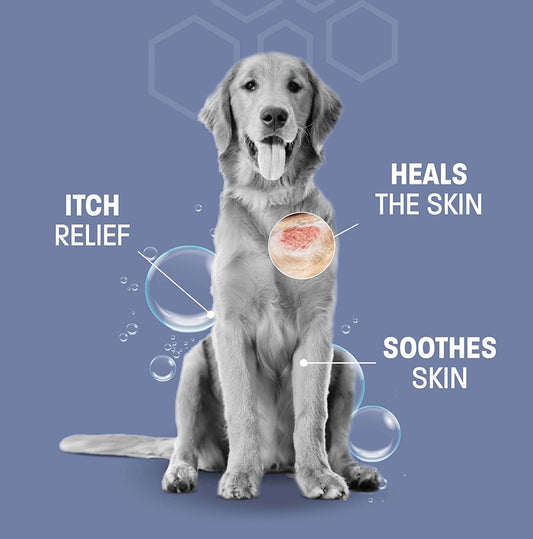
One of the most common symptoms of allergies in dogs is itchy skin. Omega 3 supplements can help soothe and moisturize the skin, reducing the urge to scratch. This can lead to a significant improvement in your dog's overall skin health.
Supporting Overall Allergy Management
Incorporating Omega 3 into your dog's diet can support overall allergy management. These fatty acids help strengthen the immune system, making it easier for your dog to fend off allergens. This holistic approach can lead to a happier, healthier pet.
Omega 3 benefits pets of all ages, improving skin, coat, joints, and heart health. Supplements are essential for overall well-being.
Choosing the Right Omega 3 Supplement for Your Dog
Types of Omega 3 Supplements
Omega 3 supplements for dogs come in various forms, including liquid, capsules, and chews. Liquid supplements are often preferred because they can be easily mixed with food. Capsules are another option, especially for dogs that are comfortable swallowing pills. Chews are a convenient choice for pet owners who want to give their dogs a treat-like supplement.
What to Look for in a Quality Supplement
When selecting an Omega 3 supplement, it's crucial to consider the source of the Omega 3 fatty acids. Look for products that use high-quality fish oil, such as those derived from wild-caught fish. Additionally, check for third-party testing to ensure the product's purity and potency. Pet Honesty Wild Caught Omega-3 Fish Oil is an example of a high-quality supplement that meets these criteria.
Dosage and Administration Tips
The correct dosage of Omega 3 supplements depends on your dog's size, age, and health condition. Always follow the manufacturer's guidelines and consult your veterinarian for personalized advice. Start with a lower dose and gradually increase it to avoid any potential side effects. Mixing the supplement with your dog's food can make administration easier and more enjoyable for your pet.
Choosing the right Omega 3 supplement can significantly impact your dog's health, from improving their coat to supporting joint function. Always opt for high-quality products and consult your vet for the best results.
Potential Side Effects and Precautions
Recognizing Overdose Symptoms
While Omega 3 supplements are generally safe, it's crucial to be aware of potential overdose symptoms. Signs of an overdose may include diarrhea, vomiting, and a fishy odor on the breath. If you notice any of these symptoms, consult your veterinarian immediately.
Interactions with Other Medications
Omega 3 supplements can interact with certain medications, such as blood thinners and anti-inflammatory drugs. It's essential to discuss with your vet before starting any new supplement to avoid adverse interactions.
Consulting Your Veterinarian
Before introducing Omega 3 supplements into your dog's diet, always consult your veterinarian. They can provide personalized advice based on your dog's specific health needs and ensure the supplement is safe and effective for your pet.
Omega 3 supplements can be a bark above the rest for your dog's health, but proper dosage and veterinary guidance are key to maximizing benefits and minimizing risks.
While our products are designed with your pet's health in mind, it's important to be aware of potential side effects and take necessary precautions. For detailed information on how to use our products safely, visit our website. Your pet's well-being is our top priority, and we are here to support you every step of the way.
Conclusion
In conclusion, Omega 3 fatty acids play a crucial role in maintaining the overall health and well-being of dogs. From promoting a shiny coat and healthy skin to supporting cognitive function and joint health, the benefits of Omega 3 are extensive and well-documented. As pet owners, ensuring that our furry companions receive the necessary nutrients is paramount. By incorporating Omega 3 supplements into their diet, we can help them lead healthier, happier lives. At Pet Health Pros, we are committed to providing superior, affordable pet health supplies, crafted in collaboration with veterinarians and made with top-grade ingredients. Trust in our expertise and dedication to enhance the lives of your pets through expertly crafted solutions.
Frequently Asked Questions
What are Omega 3 fatty acids?
Omega 3 fatty acids are essential fats that play a crucial role in your dog's overall health. They are known for their anti-inflammatory properties and are vital for maintaining a healthy coat, skin, and joints.
Why should I give my dog Omega 3 supplements?
Omega 3 supplements can help improve your dog's skin and coat health, enhance joint function, boost the immune system, and support cognitive function. They are particularly beneficial for dogs with allergies or inflammatory conditions.
What are the common sources of Omega 3 for dogs?
Common sources of Omega 3 for dogs include fish oil, flaxseed oil, and certain types of algae. These sources provide the essential fatty acids EPA and DHA, which are beneficial for your dog's health.
Can Omega 3 help with my dog's allergies?
Yes, Omega 3 fatty acids can help reduce inflammation and alleviate itchy skin, making them beneficial for dogs with allergies. They support overall allergy management by improving the skin barrier and reducing allergic reactions.
How do I choose the right Omega 3 supplement for my dog?
When choosing an Omega 3 supplement for your dog, look for high-quality products that contain EPA and DHA. Check for purity, potency, and the absence of harmful additives. Consulting your veterinarian can also help you make an informed decision.
Are there any side effects of giving my dog Omega 3 supplements?
While Omega 3 supplements are generally safe, overdosage can lead to side effects such as diarrhea, vomiting, and changes in blood clotting. It's important to follow the recommended dosage and consult your veterinarian if you have any concerns.