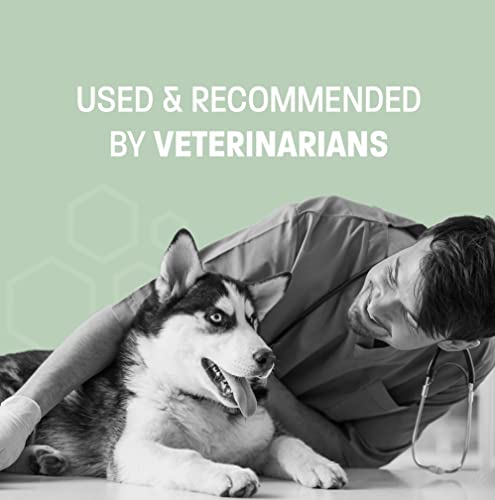

Taking your new puppy to the vet for the first time is a crucial step in ensuring their long-term health and well-being. This visit not only helps establish a health baseline for your puppy but also provides an opportunity to address any initial concerns and set up a plan for future care. At Pet Health Pros, we understand that this experience can be both exciting and overwhelming, which is why we've created a comprehensive checklist to help you prepare for and navigate your puppy's vet visit with confidence.
Key Takeaways
- Prepare all essential documents and schedule your vet appointment in advance.
- Early vet visits are crucial for preventative health measures and building a health history.
- Expect a thorough physical examination, including vaccinations and parasite prevention.
- Discuss your puppy's nutrition and diet to ensure they are getting the right nutrients.
- Follow-up care and regular check-ups are important for maintaining your puppy's health.
Preparing for Your Puppy Vet Visit
Getting ready for your puppy's first vet visit can be a bit overwhelming, but with the right preparation, it can be a smooth experience. Being well-prepared ensures that the visit is productive and stress-free for both you and your puppy. Here’s a checklist to help you get started.
Gathering Essential Documents
Before heading to the vet, make sure you have all the necessary documents. This includes any previous medical records, adoption papers, and vaccination history. Having these documents on hand will help the vet get a comprehensive understanding of your puppy's health.
Scheduling the Appointment
It's important to schedule the appointment at a time when you can be relaxed and unhurried. This will allow you to focus entirely on your puppy's needs. Many vets offer flexible scheduling options, so choose a time that works best for you.
What to Bring to the Vet
When you go to the vet, bring a few essential items:
- A comfortable carrier or leash
- A small blanket or toy to comfort your puppy
- Any medications your puppy is currently taking
- A list of questions or concerns you may have
Bringing these items will help ensure that your puppy feels safe and secure during the visit.
By following this checklist, you can make your puppy's first vet visit a positive experience. Remember, the goal is to make the visit as stress-free as possible for both you and your furry friend.
Understanding the Importance of Early Vet Visits
Preventative Health Measures
Early vet visits are crucial for establishing a foundation of preventative health care for your puppy. Regular check-ups help in identifying potential health issues before they become serious problems. This proactive approach ensures your puppy receives timely vaccinations, deworming, and other essential treatments.
Building a Health History
Creating a comprehensive health history for your puppy is vital. Each visit to the vet adds valuable information to your puppy's medical records, including growth patterns, vaccination schedules, and any health concerns. This detailed history aids in making informed decisions about your puppy's future health care needs.
Socialization and Behavior Assessment
Early vet visits also play a role in your puppy's socialization. Exposure to different environments, people, and other animals during these visits can help your puppy become more adaptable and less anxious. Additionally, vets can assess your puppy's behavior and provide guidance on training and socialization techniques.
Early vet visits are not just about medical care; they are an investment in your puppy's overall well-being and future health.
What to Expect During the Physical Examination
General Health Check
During the general health check, the vet will conduct a thorough examination of your puppy's overall condition. This includes checking the eyes, ears, nose, and mouth for any signs of infection or abnormalities. The vet will also listen to the heart and lungs to ensure they are functioning properly. Additionally, the vet will palpate the abdomen to check for any unusual lumps or tenderness.
Vaccinations and Immunizations
Vaccinations are crucial for protecting your puppy from various diseases. The vet will review your puppy's vaccination schedule and administer the necessary shots. Common vaccines include those for distemper, parvovirus, and rabies. It's important to follow the recommended vaccination timeline to ensure your puppy's immune system is adequately prepared.
Parasite Prevention and Control
Parasites such as fleas, ticks, and worms can pose significant health risks to your puppy. The vet will discuss preventative measures and may recommend treatments to keep these pests at bay. Regular parasite control is essential for maintaining your puppy's health and preventing infestations. The vet might also perform tests to check for the presence of internal parasites and provide appropriate treatments if needed.
Early vet visits are essential for setting the foundation of your puppy's long-term health. Regular check-ups and preventative care can help detect and address potential health issues before they become serious problems.
Discussing Nutrition and Diet
Ensuring your puppy receives proper nutrition is crucial for their growth and overall health. Choosing the right food involves selecting a balanced diet that meets all their nutritional needs. Look for high-quality ingredients and avoid fillers. Puppies have different dietary requirements compared to adult dogs, so it's essential to pick food specifically formulated for them.
Choosing the Right Food
When selecting food for your puppy, consider their breed, size, and any specific health concerns. Consult your vet to determine the best options. High-protein diets are often recommended to support their rapid growth and development.
Feeding Schedules
Establishing a consistent feeding schedule helps regulate your puppy's digestion and energy levels. Typically, puppies should be fed three to four times a day. As they grow, you can gradually reduce the frequency to twice a day.
Supplements and Treats
While a balanced diet should provide most of the nutrients your puppy needs, some may benefit from additional supplements. Always consult your vet before introducing any supplements. Treats can be used for training and rewarding good behavior, but they should not exceed 10% of your puppy's daily caloric intake.
Proper nutrition is the foundation of your puppy's health. By carefully selecting their food and maintaining a regular feeding schedule, you set the stage for a healthy and happy life.
Addressing Common Puppy Health Concerns
Dental Health
Maintaining your puppy's dental health is crucial for their overall well-being. Regular brushing and dental chews can help prevent plaque buildup and gum disease. It's important to discuss diet with your vet, as certain foods can promote better dental health.
Skin and Coat Care
A healthy skin and coat are indicators of a well-cared-for puppy. Regular grooming and the use of appropriate shampoos can prevent skin issues. If you notice any unusual itching or hair loss, consult your vet immediately.
Digestive Issues
Puppies can be prone to digestive problems, such as diarrhea or constipation. Ensure they have a balanced diet and access to fresh water at all times. If digestive issues persist, it may be necessary to discuss diet adjustments with your vet. Probiotics can also be beneficial in maintaining a healthy gut flora.
Always keep an eye on your puppy's behavior and physical condition. Early detection of health issues can lead to more effective treatments and a healthier life for your furry friend.
Follow-Up Care and Future Appointments
Setting Up a Vaccination Schedule
Ensuring your puppy receives the appropriate vaccinations is crucial for their long-term health. Your vet will provide a detailed vaccination schedule tailored to your puppy's needs. This schedule typically includes core vaccines like distemper, parvovirus, and rabies, as well as non-core vaccines based on your puppy's lifestyle and risk factors.
Routine Health Check-Ups
Regular health check-ups are essential to monitor your puppy's growth and development. These visits allow your vet to detect any potential health issues early and provide timely interventions. It's recommended to schedule these check-ups every 3-4 weeks during the first few months and then transition to annual visits as your puppy matures.
Emergency Situations and When to Call the Vet
It's important to recognize signs of potential emergencies and know when to seek immediate veterinary care. Common emergency signs include difficulty breathing, persistent vomiting or diarrhea, and sudden changes in behavior. Having your vet's contact information readily available can make a significant difference in urgent situations. Additionally, familiarize yourself with the nearest 24-hour emergency veterinary clinic.
Tips for a Stress-Free Vet Visit
Acclimating Your Puppy to the Carrier
Getting your puppy used to their carrier before the vet visit can make a significant difference. Start by placing the carrier in a common area of your home with the door open, allowing your puppy to explore it at their own pace. Encourage them with treats and toys to create a positive association. Gradually increase the time they spend inside the carrier, ensuring they feel safe and comfortable.
Positive Reinforcement Techniques
Using positive reinforcement can help your puppy associate vet visits with good experiences. Bring along their favorite treats and reward them for calm behavior throughout the visit. Praise and petting can also be effective in reducing anxiety. Remember, the goal is to make the vet visit a positive experience, so be patient and consistent with your rewards.
Calming Products and Solutions
There are various calming products available that can help reduce your puppy's stress during vet visits. Consider using pheromone sprays, calming collars, or anxiety wraps. These products can provide a sense of security and comfort. Additionally, playing soothing music or using a calming app during the car ride to the vet can help keep your puppy relaxed.
A stress-free vet visit is crucial for your puppy's overall well-being and helps build a positive relationship with their healthcare provider.
Ensure your furry friend's vet visit is as stress-free as possible with our expert tips and trusted products. From calming treats to soothing wipes, we have everything you need to keep your pet relaxed and happy. Visit our website to explore our full range of pet health supplies and make your next vet visit a breeze!
Conclusion
Taking your puppy to the vet for the first time can be an overwhelming experience, but with the right preparation and knowledge, it can be a smooth and reassuring process. By following the checklist provided in this article, you can ensure that your puppy receives the best possible care during their vet visit. Remember, regular veterinary check-ups are crucial for maintaining your puppy's health and well-being. At Pet Health Pros, we are committed to providing superior, affordable pet health supplies, crafted in collaboration with veterinarians and made with top-grade ingredients. Our goal is to support you and your furry friend every step of the way, ensuring a healthier, happier life for your pet. For more expert advice and quality products, visit our online store or Amazon storefront. Your pet's health is our top priority, and we are here to help you navigate the journey of pet ownership with confidence and ease.
Frequently Asked Questions
What documents should I bring to my puppy's first vet visit?
You should bring any medical records you have, including vaccination records, and any paperwork provided by the breeder or shelter.
How often should my puppy visit the vet?
Puppies should visit the vet every 3-4 weeks until they are about 16 weeks old for vaccinations and check-ups. After that, annual visits are recommended.
What vaccinations does my puppy need?
Core vaccinations for puppies typically include distemper, parvovirus, hepatitis, and rabies. Your vet may recommend additional vaccines based on your location and lifestyle.
How can I make my puppy's vet visit less stressful?
Acclimate your puppy to the carrier, use positive reinforcement techniques, and consider calming products or solutions to reduce anxiety.
What should I feed my puppy?
Choose a high-quality puppy food that meets AAFCO standards. Consult your vet for specific dietary recommendations based on your puppy's breed, size, and health needs.
When should I call the vet in an emergency?
Contact your vet immediately if your puppy shows signs of severe illness, injury, difficulty breathing, persistent vomiting or diarrhea, or any other concerning symptoms.