
Regular wellness checks are essential for maintaining your dog's health and well-being. These routine visits to the veterinarian help ensure that any potential health issues are detected early, and they provide an opportunity to discuss your dog's diet, behavior, and overall lifestyle. In this article, we'll guide you through what to expect during a wellness check for your canine companion, so you can be well-prepared and make the most out of each visit.
Key Takeaways
- Regular wellness checks are crucial for early detection of health issues in dogs.
- Prepare for the appointment by gathering necessary information and bringing relevant items.
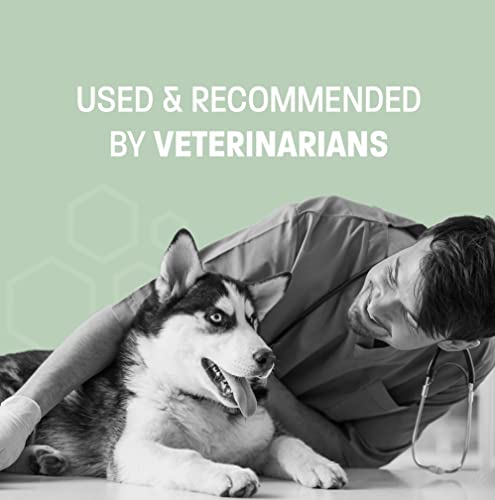
- The physical examination will include assessing vital signs, and checking eyes, ears, mouth, skin, and coat.
- Common diagnostic tests during a wellness check include blood tests, urine and fecal analysis, and imaging like X-rays and ultrasounds.
- Discussing your dog's diet and behavior with the veterinarian can lead to valuable recommendations for their health and well-being.
Understanding the Importance of a Wellness Check for Dogs
Regular wellness checks are a cornerstone of maintaining your dog's health. These routine visits to the veterinarian are essential for early detection of potential health issues, ensuring that your dog remains in optimal condition throughout their life. Regular check-ups are crucial for early detection, prevention, and maintaining overall health of dogs.
Why Regular Check-Ups Matter
Regular check-ups allow veterinarians to monitor your dog's health over time, making it easier to spot any changes or abnormalities. This proactive approach can prevent minor issues from becoming major health concerns.
Early Detection of Health Issues
One of the primary benefits of regular wellness checks is the early detection of health problems. By catching issues early, treatment can be more effective and less invasive, potentially saving your dog's life.
Building a Health History
Wellness checks help in building a comprehensive health history for your dog. This detailed record is invaluable for tracking your dog's health trends and making informed decisions about their care.
Consistent wellness checks are an investment in your dog's long-term health and happiness. They provide peace of mind, knowing that you are doing everything possible to keep your furry friend healthy and happy.
Preparing for Your Dog's Wellness Check
Gathering Necessary Information
Before heading to the vet, it's crucial to gather all relevant information about your dog's health. This includes previous medical records, vaccination history, and any recent changes in behavior or diet. Having this information ready will help your veterinarian make a comprehensive assessment.
What to Bring to the Appointment
When preparing for the appointment, make sure to bring the following items:
- Your dog's medical records
- A list of any medications your dog is currently taking
- A sample of your dog's stool for parasite testing
- Any questions or concerns you have about your dog's health
Preparing Your Dog Mentally and Physically
To ensure a smooth visit, prepare your dog both mentally and physically. Familiarize your dog with car rides and the vet's office environment. Exercise your dog before the visit to help reduce anxiety. Additionally, bring along a favorite toy or blanket to provide comfort during the exam.
A well-prepared visit can make the wellness check less stressful for both you and your dog, ensuring a more thorough and effective examination.
What Happens During a Physical Examination
Vital Signs and General Health Assessment
During a wellness check, the veterinarian will start by assessing your dog's vital signs. This includes checking the heart rate, respiratory rate, and temperature. Regular health checks for pets are crucial for early detection, prevention, and overall well-being. The vet will also evaluate your dog's weight and body condition to ensure they are within a healthy range.
Checking Eyes, Ears, and Mouth
The veterinarian will examine your dog's eyes for any signs of redness, cloudiness, or discharge. The ears will be checked for cleanliness and any signs of infection, such as redness or a foul odor. The mouth and teeth are also inspected to ensure good dental hygiene and to identify any potential issues like tartar buildup or gum disease.
Skin and Coat Examination
A thorough examination of your dog's skin and coat is essential. The vet will look for any signs of parasites, such as fleas or ticks, as well as any abnormalities like lumps, bumps, or rashes. Grooming and maintaining a healthy coat are important aspects of your dog's overall health.
Ensuring your dog undergoes these essential regular health checks can help in the early detection and prevention of potential health issues, contributing to their overall well-being.
Common Diagnostic Tests and Screenings
During a wellness check, your veterinarian may recommend several diagnostic tests and screenings to ensure your dog is in optimal health. These tests are crucial for early detection of potential health issues and for monitoring ongoing conditions.
Blood Tests and Their Importance
Blood tests are a fundamental part of a dog's wellness check. They help in assessing the overall health of your pet by providing insights into organ function, blood cell counts, and more. Common blood tests include:
- Complete Blood Count (CBC): Evaluates the levels of different blood cells.
- Blood Chemistry Panel: Assesses the function of organs such as the liver and kidneys.
- Heartworm Test: Detects the presence of heartworm larvae in the bloodstream.
Urine and Fecal Analysis
Urine and fecal analyses are essential for detecting infections, kidney function, and gastrointestinal health. These tests can identify issues such as urinary tract infections, kidney disease, and parasites like worms and protozoa.
X-Rays and Ultrasounds
X-rays and ultrasounds are imaging techniques used to visualize the internal structures of your dog's body. X-rays are particularly useful for examining bones and joints, while ultrasounds provide detailed images of soft tissues like the heart, liver, and kidneys.
Regular diagnostic tests and screenings are a vital part of maintaining your dog's health. They offer a comprehensive view of your pet's well-being and help in making informed decisions about their care.
Discussing Nutrition and Diet with Your Veterinarian
Evaluating Your Dog's Current Diet
When you visit your veterinarian, one of the top 5 things to discuss with your vet during your dog's check-up is their current diet. Understanding what your dog eats daily helps the vet assess their overall health and nutritional needs. Be prepared to provide details about the type of food, portion sizes, and feeding schedule.
Recommendations for Improvement
Based on the evaluation, your vet may suggest changes to improve your dog's diet. This could include switching to a different type of food, adjusting portion sizes, or adding supplements. These recommendations are tailored to meet your dog's specific health requirements and lifestyle.
Understanding Special Dietary Needs
Some dogs have special dietary needs due to allergies, medical conditions, or age. Discuss any known issues with your vet so they can recommend appropriate dietary adjustments. This ensures your dog receives the necessary nutrients without aggravating any health problems.
Regularly discussing diet, exercise, vaccinations, behavior, and geriatric care with your vet is crucial for your dog's health. This holistic approach helps in maintaining their well-being and addressing any potential issues early on.
Vaccinations and Preventative Care
Ensuring your dog receives the appropriate vaccinations and preventative care is crucial for their long-term health and well-being. Vaccinations protect against common and potentially deadly diseases, while preventative treatments help manage and avoid health issues before they become serious.
Core Vaccinations for Dogs
Core vaccinations are essential for all dogs, regardless of their lifestyle. These include vaccines for rabies, distemper, parvovirus, and adenovirus. These diseases can be fatal, making it imperative to keep your dog's vaccinations up to date.
Optional Vaccinations Based on Lifestyle
Depending on your dog's lifestyle and environment, your veterinarian may recommend additional vaccines. These could include vaccines for Bordetella (kennel cough), Lyme disease, and leptospirosis. Discussing your dog's daily activities and potential exposures with your vet will help determine the best vaccination plan.
Preventative Treatments for Parasites
Preventative care also involves treatments to protect your dog from parasites such as fleas, ticks, and heartworms. Regular use of preventative medications can help avoid infestations and the health issues they cause. Your vet can guide on creating a preventative care plan for your dog's specific breed and needs.
Addressing Behavioral and Lifestyle Concerns
Discussing Behavioral Issues
Behavioral issues in dogs can range from mild to severe and can significantly impact their quality of life. It's essential to address these concerns early to prevent them from becoming ingrained habits. Common behavioral issues include excessive barking, aggression, and separation anxiety. Your veterinarian can provide guidance on behavior modification techniques and may recommend professional training if necessary.
Exercise and Activity Recommendations
Regular exercise is crucial for maintaining your dog's physical and mental health. Depending on your dog's breed, age, and health status, the amount and type of exercise needed can vary. Generally, dogs require at least 30 minutes to 2 hours of exercise daily. Activities can include:
- Walking or running
- Playing fetch
- Agility training
- Swimming
Creating a Comfortable Home Environment
A comfortable home environment is vital for your dog's well-being. Ensure your dog has a quiet, safe space to retreat to when they need rest. Enrichment activities like puzzle toys and interactive games can keep your dog mentally stimulated. Additionally, maintaining a consistent routine helps reduce anxiety and promotes a sense of security.
A well-rounded approach to your dog's behavioral and lifestyle needs can lead to a happier, healthier pet. Regularly consult with your veterinarian to tailor these recommendations to your dog's specific needs.
Follow-Up and Ongoing Care
Scheduling Future Appointments
After your dog's wellness check, it's crucial to schedule future appointments to ensure continuous monitoring of their health. Regular vet check-ups are essential for early detection and treatment of health issues, especially as your dog ages. Your veterinarian will recommend an appropriate schedule based on your dog's age, breed, and health status.
Monitoring Your Dog's Health at Home
Between visits, keep an eye on your dog's overall well-being. Look for any changes in behavior, appetite, or physical condition. Maintaining a health journal can be helpful to track any symptoms or concerns that arise. This record will be valuable during your next vet visit.
When to Seek Immediate Veterinary Care
It's important to know when to seek immediate veterinary care. If your dog shows signs of severe distress, such as difficulty breathing, persistent vomiting, or sudden changes in behavior, contact your vet right away. Early intervention can make a significant difference in treatment outcomes.
Consistent follow-up and monitoring are key to ensuring your dog's long-term health and happiness. By staying proactive, you can address potential issues before they become serious problems.
Ensuring your pet's health doesn't stop after the initial treatment. Follow-up and ongoing care are crucial for maintaining their well-being. Visit our website to explore our range of products designed to support your pet's health journey every step of the way.
Conclusion
In summary, regular wellness checks are essential for maintaining your dog's health and well-being. These visits allow veterinarians to detect potential health issues early, provide necessary vaccinations, and offer guidance on nutrition and overall care. At Pet Health Pros, we understand the importance of these check-ups and strive to support pet owners with superior, affordable health supplies crafted in collaboration with veterinarians. With over fifty years of combined experience, our U.S.-based company is committed to enhancing the lives of pets through quality ingredients and customer-centric services. Remember, a proactive approach to your dog's health can lead to a happier, healthier life for your furry companion.
Frequently Asked Questions
Why are regular wellness checks important for my dog?
Regular wellness checks are crucial for early detection of potential health issues, maintaining up-to-date vaccinations, and ensuring your dog’s overall well-being.
What should I bring to my dog's wellness check?
Bring any previous medical records, a list of any medications your dog is taking, and a sample of your dog’s stool. It’s also helpful to note any changes in behavior or symptoms you’ve noticed.
How can I prepare my dog for a wellness check?
Familiarize your dog with being handled, ensure they are calm and relaxed before the visit, and consider taking them for a walk to burn off excess energy before the appointment.
What happens during a physical examination?
During a physical examination, the vet will assess your dog’s vital signs, examine their eyes, ears, and mouth, and check their skin and coat for any abnormalities.
Are diagnostic tests necessary for a wellness check?
Diagnostic tests such as blood tests, urine and fecal analysis, and X-rays or ultrasounds may be recommended based on your dog’s age, health history, and any symptoms they may be exhibiting.
How often should my dog have a wellness check?
It is generally recommended to have a wellness check for your dog at least once a year. Puppies, senior dogs, or dogs with health issues may require more frequent visits.