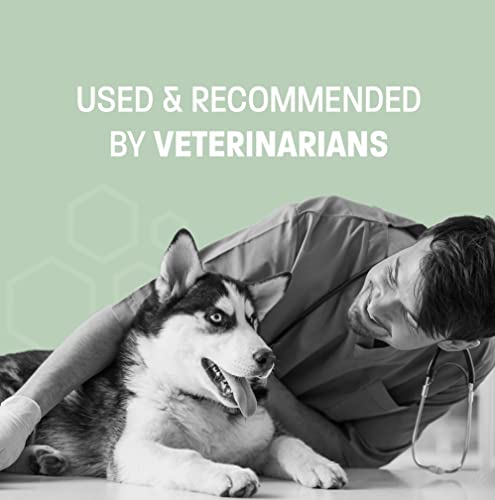

Dog wellness checks are essential for maintaining your furry friend's health and well-being. These routine visits to the veterinarian help ensure that your dog remains in optimal health by preventing potential issues, catching health problems early, and providing necessary treatments. At Pet Health Pros, we understand the importance of regular check-ups and aim to provide you with the knowledge and tools to keep your pet happy and healthy.
Key Takeaways
- Regular wellness checks are crucial for your dog's overall health.
- Preparing for the vet visit can make the process smoother for both you and your dog.
- During the check-up, expect a thorough physical examination and possibly some diagnostic tests.
- Discussing your dog's diet and behavior with the vet can provide valuable insights.
- Follow-up care and maintaining health records are essential for ongoing health management.
Understanding the Importance of a Dog Wellness Check
Regular wellness checks are crucial for maintaining your dog's overall health and well-being. These check-ups allow for the early detection and prevention of health issues, ensuring that your pet remains in optimal condition throughout their life. Regular check-ups matter because they help identify potential problems before they become serious, saving you time, money, and stress in the long run.
Why Regular Check-Ups Matter
Regular wellness checks are crucial for maintaining your dog's overall health and well-being. These check-ups allow for the early detection and prevention of health issues, ensuring that your pet remains in optimal condition throughout their life. Regular check-ups matter because they help identify potential problems before they become serious, saving you time, money, and stress in the long run.
Preventative Care Benefits
Preventative care is a cornerstone of veterinary medicine. By scheduling regular wellness checks, you can take proactive steps to keep your dog healthy. This includes vaccinations, parasite control, and dental care. Preventative care not only helps in maintaining your dog's health but also extends their lifespan and improves their quality of life.
Early Detection of Health Issues
One of the most significant benefits of regular wellness checks is the early detection of health issues. Many diseases and conditions, such as heart disease, diabetes, and cancer, can be managed more effectively when caught early. Early detection allows for timely treatment and better outcomes, ensuring your dog lives a long, healthy life.
Building a relationship with your veterinarian is essential for optimal care. Regular visits help your vet get to know your dog better, making it easier to spot any changes in their health or behavior.
Regular wellness checks are an investment in your dog's future, providing peace of mind and ensuring they receive the best possible care.
Preparing for Your Dog's Wellness Check
Gathering Medical History
Before your dog's wellness check, it's crucial to gather all relevant medical history. This includes previous vaccinations, any known allergies, past illnesses, and any ongoing treatments. Having a comprehensive medical history helps the veterinarian make informed decisions about your dog's health.
What to Bring to the Appointment
When heading to the vet, make sure to bring the following items:
- Your dog's medical records
- A list of any medications your dog is currently taking
- Any questions or concerns you have about your dog's health
- A leash and collar
- A favorite toy or blanket to comfort your dog
Preparing Your Dog Mentally and Physically
Preparing your dog for a wellness check involves both mental and physical preparation. Mentally, you can help your dog by familiarizing them with car rides and the vet's office. Physically, ensure your dog is clean and has had a chance to relieve themselves before the appointment.
A well-prepared visit can make the experience less stressful for both you and your dog, ensuring a smoother and more effective wellness check.
What Happens During a Dog Wellness Check
Physical Examination Procedures
During a physical examination, the veterinarian will thoroughly check your dog's body from nose to tail. This includes examining the eyes, ears, mouth, skin, and coat. The vet will also listen to the heart and lungs, palpate the abdomen, and check the joints for any signs of discomfort or abnormalities.
Common Diagnostic Tests
Common diagnostic tests during a wellness check may include blood tests, urinalysis, and fecal exams. These tests help in identifying any underlying health issues that may not be visible during the physical examination. Blood tests can reveal information about your dog's organ function, while urinalysis can detect urinary tract infections or kidney issues.
Vaccinations and Boosters
Vaccinations are a crucial part of a dog wellness check. The vet will review your dog's vaccination history and administer any necessary vaccines or boosters to protect against diseases like rabies, distemper, and parvovirus. Keeping vaccinations up to date is essential for your dog's long-term health.
Regular wellness checks are vital for maintaining your dog's health and catching any potential issues early. By staying proactive, you can ensure a longer, healthier life for your furry friend.
Discussing Your Dog's Diet and Nutrition
Nutritional Needs by Age
As your dog ages, their nutritional requirements will change. Puppies need a diet rich in protein and fat to support their rapid growth, while adult dogs require a balanced diet to maintain their health. Senior dogs may need fewer calories but more fiber to aid digestion. It's crucial to discuss diet with your vet during your dog's check-up to ensure they are getting the right nutrients at every life stage.
Dietary Supplements
Dietary supplements can play a significant role in your dog's overall health. Common supplements include omega-3 fatty acids for a healthy coat, glucosamine for joint health, and probiotics for digestive health. Always consult your vet before adding any supplements to your dog's diet to ensure they are necessary and safe.
Addressing Weight Management
Maintaining a healthy weight is vital for your dog's well-being. Obesity can lead to various health issues, including diabetes, heart disease, and joint problems. Your vet can help you develop a weight management plan that includes a balanced diet and regular exercise. Exercise is essential for keeping your dog at a healthy weight and should be part of your daily routine.
Regularly discussing diet, exercise, vaccinations, behavior, and geriatric care with your vet is essential for your dog's health.
Monitoring Your Dog's Behavior and Activity Levels
Behavioral Assessments
During a wellness check, veterinarians often conduct behavioral assessments to understand your dog's mental and emotional state. These assessments help in identifying any unusual behaviors that may indicate underlying health issues or stress. It's essential to monitor changes in your dog's behavior, such as increased aggression or anxiety, as these can be early signs of health problems.
Exercise Recommendations
Regular physical activity is crucial for your dog's overall well-being. Veterinarians provide tailored exercise recommendations based on your dog's age, breed, and health status. Ensuring your dog gets enough exercise can prevent obesity and related health issues. Activities can range from daily walks to more intensive play sessions, depending on your dog's needs.
Identifying Behavioral Changes
Identifying and addressing behavioral changes early can significantly impact your dog's health. Look for signs such as changes in eating habits, sleep patterns, or social interactions. Early detection of these changes allows for timely intervention and treatment, ensuring your dog remains healthy and happy.
Regular monitoring of your dog's behavior and activity levels is essential for early detection & prevention of potential health issues. Prioritize weight, dental hygiene, mental well-being, grooming, and a balanced diet. Regular vet visits are crucial for your dog's well-being and longevity.
Addressing Dental Health During the Wellness Check
Importance of Dental Care
Dental health is a crucial aspect of your dog's overall well-being. Regular dental check-ups can prevent serious health issues such as periodontal disease, which can affect not only the mouth but also other organs like the heart and kidneys. Ensuring your dog's teeth and gums are healthy can lead to a longer, happier life.
Common Dental Issues
During a wellness check, your vet will look for common dental problems such as:
- Plaque and tartar buildup
- Gingivitis
- Broken or loose teeth
- Oral tumors
- Bad breath
Identifying these issues early can save your dog from pain and more complicated treatments down the line.
At-Home Dental Care Tips
Maintaining your dog's dental health at home is equally important. Here are some tips:
- Brush your dog's teeth regularly using a dog-specific toothbrush and toothpaste.
- Provide dental chews and toys designed to reduce plaque and tartar.
- Ensure a balanced diet that supports dental health.
- Schedule regular professional cleanings as recommended by your vet.
Preventative care is key to avoiding severe dental issues. By taking proactive steps, you can ensure your dog's mouth stays healthy between vet visits.
Follow-Up Care and Scheduling the Next Visit
Understanding the Vet's Recommendations
After your dog's wellness check, your veterinarian will provide specific recommendations tailored to your pet's health needs. It's crucial to follow these guidelines to ensure your dog remains healthy and happy. These recommendations may include dietary changes, exercise routines, or specific treatments for any identified health issues.
Scheduling Future Appointments
Regular veterinary visits are essential for maintaining your dog's health. Schedule your next appointment before leaving the clinic to ensure you stay on track with your dog's wellness plan. Typically, adult dogs should visit the vet at least once a year, while puppies and senior dogs may require more frequent check-ups.
Maintaining Health Records
Keeping an organized record of your dog's health history is vital. This includes vaccination records, past medical treatments, and any notes from previous vet visits. An up-to-date health record helps your veterinarian make informed decisions about your dog's care.
Consistent follow-up care and timely appointments are key to preventing potential health issues and ensuring your dog leads a long, healthy life.
Ensuring your pet's health doesn't stop after the initial visit. Schedule your next appointment and explore our range of top-quality pet health products to keep your furry friend in the best shape. Visit our website today to learn more and make your next purchase!
Conclusion
In conclusion, regular wellness checks are vital for maintaining your dog's health and well-being. These visits allow veterinarians to detect potential health issues early, provide necessary vaccinations, and offer guidance on nutrition and overall care. By understanding what to expect during these appointments, you can ensure that your furry friend receives the best possible care. At Pet Health Pros, we are committed to supporting pet owners with superior, affordable health supplies, crafted in collaboration with veterinarians and made with top-grade ingredients. Our mission is to enhance the lives of pets and provide peace of mind to their owners. Remember, a healthy pet is a happy pet, and regular wellness checks are a crucial part of achieving that goal.
Frequently Asked Questions
Why are regular wellness checks important for my dog?
Regular wellness checks are crucial for early detection of health issues, ensuring your dog receives timely preventative care, and maintaining overall well-being.
What should I bring to my dog's wellness check?
Bring your dog's medical history, a list of current medications, any relevant health records, and a fresh stool sample if requested by the vet.
How can I prepare my dog mentally and physically for a wellness check?
Familiarize your dog with car rides, handle their paws and ears regularly, and use positive reinforcement to create a stress-free experience.
What common diagnostic tests are performed during a wellness check?
Common diagnostic tests include blood work, urinalysis, and fecal exams to check for internal health issues and parasites.
Why is dental health important for my dog?
Dental health is vital as it can prevent common issues like plaque buildup, gum disease, and tooth loss, which can affect your dog's overall health.
How often should I schedule wellness checks for my dog?
It's generally recommended to schedule wellness checks annually, but puppies, senior dogs, and those with health issues may require more frequent visits.