
Choosing the right shampoo for your puppy is crucial for their health and happiness. Puppies have delicate skin and coats that need special care. This guide will help you understand what to look for in a puppy shampoo and how to make bath time a pleasant experience for both you and your furry friend.
Key Takeaways
- Understand your puppy's skin and coat needs before choosing a shampoo.
- Look for shampoos with natural ingredients and avoid harmful chemicals.
- Bathe your puppy only when necessary to avoid skin issues.
- Consider specialty shampoos if your puppy has specific needs like allergies or fleas.
- Always read shampoo labels carefully to know what you're using on your puppy.
Understanding Your Puppy's Skin and Coat Needs
Identifying Skin Types
Puppies, like humans, have different skin types. Some have dry skin, while others have oily or sensitive skin. Knowing your puppy's skin type helps in choosing the right shampoo. Dry skin may need moisturizing ingredients, while oily skin might benefit from a shampoo that controls excess oil.
Common Coat Types in Puppies
Puppies come with various coat types, such as short, long, curly, or double coats. Each type has unique needs. For example, long coats may require shampoos with detangling properties, while short coats might need a shampoo that enhances shine. A lustrous coat signals vitality and can indicate the health status of a pet.
Why pH Balance Matters
The pH balance of a puppy's skin is different from that of humans. Using a shampoo with the wrong pH can cause irritation or dryness. Puppy shampoos are specially formulated to match their skin's pH, ensuring they stay comfortable and healthy.
Remember, nothing affects the condition of your pet's coat more than his food. A balanced diet is crucial for maintaining healthy skin and a shiny coat.
Ingredients to Look for in Puppy Shampoos
Natural vs. Synthetic Ingredients
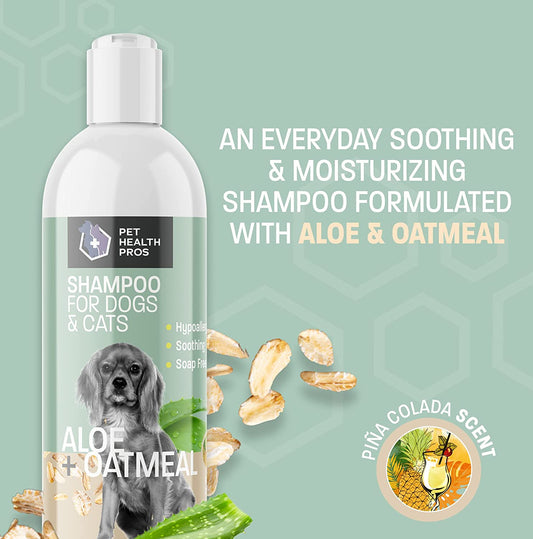
When choosing a puppy shampoo, it's important to understand the difference between natural and synthetic ingredients. Natural ingredients are derived from plants and animals, while synthetic ingredients are made in a lab. Natural ingredients like oatmeal, aloe vera, and chamomile are gentle on your puppy's skin and coat. On the other hand, synthetic ingredients can sometimes cause irritation or allergic reactions.
Beneficial Additives for Skin Health
Certain additives can greatly benefit your puppy's skin health. Look for shampoos that contain vitamins like Vitamin E and essential oils such as lavender or tea tree oil. These ingredients can help soothe and moisturize the skin, reducing itchiness and dryness. Aloe vera is another excellent additive that provides hydration and has anti-inflammatory properties.
Ingredients to Avoid
Not all ingredients are safe for your puppy. Avoid shampoos that contain harsh chemicals like sulfates, parabens, and artificial fragrances. These can strip the natural oils from your puppy's coat, leading to dryness and irritation. Formaldehyde is another harmful ingredient to watch out for, as it can be toxic to both pets and humans.
Choosing the right shampoo with safe and beneficial ingredients can make a big difference in your puppy's overall skin and coat health. Always read the label carefully to ensure you're making the best choice for your furry friend.
How Often Should You Bathe Your Puppy?
Factors Influencing Bath Frequency
How often you should bathe your puppy depends on several factors. Puppies with oily coats might need more frequent baths, while those with dry skin should be bathed less often. The environment also plays a role; puppies that spend a lot of time outdoors may need more regular baths compared to indoor pups.
Signs Your Puppy Needs a Bath
There are clear signs that your puppy needs a bath. If your puppy starts to smell bad or if their coat looks dirty, it's time for a bath. Also, if your puppy is scratching more than usual, it might be a sign that they need a bath to remove irritants from their skin.
Risks of Over-Bathing
Bathing your puppy too often can lead to problems. Over-bathing can strip the natural oils from your puppy's skin, leading to dryness and irritation. It's important to find a balance and provide tailored care to keep your puppy's skin and coat healthy.
Remember, every puppy is different. Consider individual factors before deciding on a bathing schedule for optimal results.
Specialty Puppy Shampoos for Specific Needs
Hypoallergenic Shampoos
Hypoallergenic shampoos are designed for puppies with sensitive skin or allergies. These shampoos are free from harsh chemicals and fragrances that can irritate your puppy's skin. Choosing a hypoallergenic shampoo can help prevent itching and redness. Look for labels that mention 'hypoallergenic' to ensure you're getting a gentle product.
Medicated Shampoos for Skin Conditions
If your puppy has skin issues like dermatitis or fungal infections, medicated shampoos can be very helpful. These shampoos contain active ingredients that target specific skin problems. Always consult your vet before using a medicated shampoo to make sure it's safe for your puppy.
Shampoos for Flea and Tick Prevention
Flea and tick shampoos are specially formulated to kill and repel these pests. They often contain ingredients like pyrethrin or essential oils that are effective against fleas and ticks. Regular use can help keep your puppy free from these annoying parasites. However, it's important to follow the instructions carefully to avoid any side effects.
Using the right specialty shampoo can make a big difference in your puppy's skin and coat health. Always read the labels and consult your vet for the best advice.
DIY Puppy Shampoo: Pros and Cons
Common DIY Ingredients
Making your own puppy shampoo can be a fun and rewarding experience. Some common ingredients include oatmeal, which is soothing for the skin, and coconut oil, known for its moisturizing properties. Baking soda is often used for its deodorizing effect, while apple cider vinegar can help balance the pH of your puppy's skin.
Benefits of Homemade Shampoos
One of the main benefits of DIY puppy shampoos is that you know exactly what goes into them. This can be especially important if your puppy has sensitive skin or allergies. Additionally, homemade shampoos can be more cost-effective than store-bought options. You can also customize the formula to meet your puppy's specific needs, making it a personalized choice.
Potential Risks and Drawbacks
While making your own puppy shampoo has its perks, there are also some risks involved. If not formulated correctly, DIY shampoos can cause skin irritation or not clean effectively. There's also the risk of using ingredients that are harmful to dogs. It's crucial to do thorough research and perhaps consult your vet before trying a homemade recipe.
When deciding between DIY and store-bought options, consider your puppy's specific needs and any potential risks. Making an informed choice can help ensure your puppy's skin and coat stay healthy and clean.
Tips for a Stress-Free Bath Time
Bathing your puppy can be a fun and bonding experience if done right. Here are some tips to make it stress-free for both you and your furry friend.
Preparing Your Puppy for Bathing
Before you start, gather all the supplies you'll need, like shampoo, towels, and a brush. Make sure the water temperature is just right—not too hot or too cold. It's also a good idea to brush your puppy's coat to remove any tangles or loose fur. This will make the bath more effective and enjoyable.
Step-by-Step Bathing Guide
- Wet your puppy's coat thoroughly with warm water.
- Apply a small amount of shampoo and lather it gently, avoiding the eyes and ears.
- Rinse thoroughly to remove all the shampoo.
- Repeat if necessary, especially if your puppy has a thick coat.
- Dry your puppy with a towel and keep them warm until they are completely dry.
Post-Bath Care and Drying
After the bath, it's important to dry your puppy properly. Use a soft towel to pat them dry, and if your puppy is comfortable with it, you can use a hairdryer on a low setting. Make sure to keep the dryer moving to avoid overheating any one spot. Brushing your puppy's coat after drying can help keep it smooth and free of tangles.
A stress-free bath time can make a big difference in your puppy's overall grooming routine. With the right approach, you can turn bath time into a positive experience for both you and your puppy.
Reading and Understanding Shampoo Labels
Decoding Ingredient Lists
When you look at a puppy shampoo bottle, you'll notice an ingredient list. It's important to understand what each ingredient does. For example, on the ingredient panel of medicated dog shampoo, you will see a list of "active ingredients" with the % of how much is in the bottle. Sometimes you will see natural ingredients like oatmeal or aloe vera, which are good for soothing the skin.
Understanding Marketing Terms
Shampoo labels often have marketing terms like "all-natural" or "organic." These terms can be confusing. All-natural doesn't always mean it's the best choice for your puppy. It's crucial to read the ingredient list to know what you're really getting.
Certifications and What They Mean
Some shampoos have certifications like "cruelty-free" or "eco-friendly." These labels mean the product meets certain standards. For example, "cruelty-free" means the product was not tested on animals. Knowing these certifications can help you make better choices for your puppy.
Always take a moment to read the labels carefully. It can make a big difference in your puppy's health and happiness.
Ever wondered what all those ingredients on your shampoo bottle mean? Understanding shampoo labels can help you choose the best product for your hair. For more tips and guides, visit our website and become a savvy shopper today!
Conclusion
Choosing the right shampoo for your puppy is important for their health and happiness. By understanding their specific needs, you can find a product that keeps their coat shiny and their skin healthy. Always check the ingredients and avoid harmful chemicals. Remember, a good bath routine can make a big difference in your puppy's life. So, take your time, do your research, and pick the best shampoo for your furry friend. Your puppy will thank you with lots of tail wags and cuddles.
Frequently Asked Questions
How often should I bathe my puppy?
You should bathe your puppy about once a month. However, this can change based on their activity level and coat type.
Can I use human shampoo on my puppy?
No, human shampoo can be too harsh for a puppy's skin. Always use a shampoo made for puppies.
What should I do if my puppy is scared of baths?
Try to make bath time fun and calm. Use treats and praise to help your puppy feel more comfortable.
Are natural ingredients better for my puppy?
Natural ingredients are often gentler on your puppy's skin. Look for shampoos with ingredients like oatmeal and aloe vera.
How can I tell if a shampoo is hypoallergenic?
Check the label for words like 'hypoallergenic' or 'for sensitive skin.' These shampoos are made to be gentle and less likely to cause allergies.
What are the signs that my puppy needs a bath?
If your puppy smells bad, has dirt in their fur, or is scratching a lot, it might be time for a bath.