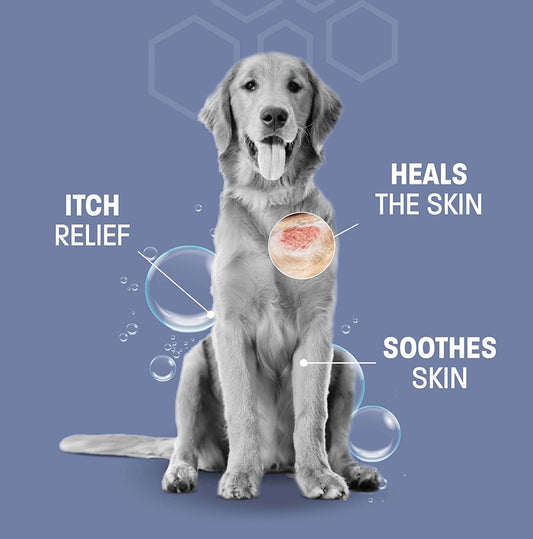

Hot spots in dogs can be a real pain, both for the pet and the owner. These red, itchy patches can appear suddenly and spread fast. Choosing the right hot spot spray is important to help your dog heal quickly and feel better. This guide will help you understand what causes hot spots, what to look for in a spray, how to apply it, and how to prevent these skin problems in the future.
Key Takeaways
- Hot spots are red, itchy patches on a dog's skin that can spread quickly.
- Look for sprays with natural ingredients like aloe vera and chamomile, and avoid harmful chemicals.
- Apply the spray correctly and follow safety tips to ensure your dog's skin heals well.
- Compare different brands based on reviews, effectiveness, and price before buying.
- Regular grooming, a healthy diet, and a clean environment can help prevent hot spots.
Understanding Hot Spots in Dogs
Causes of Hot Spots
Hot spots, also known as acute moist dermatitis, are painful and itchy areas on a dog's skin. These spots can be triggered by various factors, including allergies, insect bites, poor grooming, and underlying infections. Dogs often scratch or lick these areas, making the condition worse.
Symptoms to Watch For
Recognizing hot spots early can help in managing them effectively. Common symptoms include:
- Red, inflamed skin
- Constant licking or chewing of the affected area
- Hair loss around the hot spot
- Oozing or crusty sores
Common Breeds Affected
While any dog can develop hot spots, some breeds are more prone to them. Breeds with thicker coats or those prone to allergies are at higher risk. These include:
- Golden Retrievers
- German Shepherds
- Labradors
- Rottweilers
It's important to monitor your dog's skin regularly, especially if they belong to a breed that is more susceptible to hot spots.
Key Ingredients to Look for in Hot Spot Sprays
Natural vs. Synthetic Ingredients
When choosing a hot spot spray for your dog, it's important to know the difference between natural and synthetic ingredients. Natural ingredients are often gentler on your dog's skin and less likely to cause irritation. Synthetic ingredients, on the other hand, may be more effective in quickly addressing the root of the problem but can sometimes cause side effects.
Benefits of Aloe Vera and Chamomile
Aloe Vera and Chamomile are two natural ingredients commonly found in hot spot sprays. Aloe Vera is known for its soothing properties, which can help reduce inflammation and promote healing. Chamomile has anti-inflammatory and calming effects, making it ideal for irritated skin. Combining these ingredients can provide a balanced approach to treating hot spots.
Avoiding Harmful Chemicals
It's crucial to avoid harmful chemicals in hot spot sprays. Ingredients like alcohol, artificial fragrances, and harsh preservatives can worsen your dog's condition. Always read the label and opt for sprays that are free from these harmful substances. This ensures that the spray is safe and effective for your pet.
Choosing the right hot spot spray involves understanding the ingredients and their effects on your dog's skin. Always consult your vet if you're unsure about which product to use.
How to Properly Apply Hot Spot Spray
Step-by-Step Application Guide
Applying hot spot spray to your dog can be easy if you follow these steps:
- Clean the affected area: Gently wash the hot spot with mild soap and water. Pat it dry with a clean towel.
- Trim the fur: Carefully trim the fur around the hot spot to allow better access to the skin.
- Apply the spray: Hold the spray bottle a few inches away from the hot spot and spray directly onto the skin.
- Let it dry: Allow the spray to air dry. Avoid letting your dog lick the area.
Frequency of Use
For best results, use the hot spot spray as directed on the product label. Typically, you should apply it 2-3 times a day until the hot spot heals. Consistency is key to ensure the hot spot heals properly.
Precautions and Safety Tips
- Always read the label: Make sure the spray is safe for dogs and follow the instructions.
- Avoid contact with eyes: Do not spray near your dog's eyes, nose, or mouth.
- Monitor for reactions: Watch for any signs of irritation or allergic reactions. If you notice any, stop using the spray and consult your vet.
Using an allergy-specific spray can provide benefits like soothing skin, reducing itching, and preventing infections for dogs with allergies.
By following these steps and tips, you can help your dog recover from hot spots quickly and safely.
Comparing Popular Hot Spot Spray Brands
When it comes to choosing the best hot spot spray for your dog, it's important to compare different brands. Top-rated brands often have a proven track record of effectiveness and safety. Here are some of the most popular options:
Top-Rated Brands
- Vetericyn Plus: Known for its fast-acting formula and natural ingredients.
- Burt's Bees: Uses natural ingredients like chamomile and aloe vera.
- Curaseb: Effective for both hot spots and other skin irritations.
Customer Reviews and Feedback
Customer reviews can provide valuable insights into how well a product works. Many dog owners highlight the importance of never leaving dogs in hot cars, as it can worsen skin conditions. Look for sprays that have high ratings and positive feedback.
Price vs. Effectiveness
While some sprays may be more expensive, they often offer better results. Here's a quick comparison:
| Brand | Price Range | Effectiveness |
|---|---|---|
| Vetericyn Plus | $20-$30 | High |
| Burt's Bees | $10-$20 | Medium |
| Curaseb | $15-$25 | High |
Always consider the safety tips for summer: avoid peak heat, provide ventilation and water. Act if you see a dog trapped. Protect pets from harm.
Choosing the right hot spot spray can make a big difference in your dog's comfort and health. Make sure to read reviews and compare prices to find the best option for your furry friend.
DIY Alternatives to Commercial Hot Spot Sprays
Homemade Remedies
Creating your own hot spot spray at home can be a cost-effective and natural solution. One popular recipe includes mixing 15 drops of lemon eucalyptus essential oil with 2 oz of witch hazel in a glass spray bottle. This blend can help soothe your dog's skin and keep it free from infections.
Pros and Cons of DIY Solutions
Homemade remedies can be beneficial as they allow you to control the ingredients, ensuring no harmful chemicals are used. However, they may not be as effective as commercial products and can sometimes cause allergic reactions in some dogs.
When to Consult a Veterinarian
If your dog's hot spots do not improve with homemade treatments, it is important to seek professional help. A veterinarian can provide a proper diagnosis and recommend the best course of action to ensure your dog's health and comfort.
Always monitor your dog's reaction to any new treatment and discontinue use if any adverse effects occur.
Preventing Hot Spots in Dogs
Hot spots can be a real pain for dogs and their owners. Preventing hot spots is easier than treating them, so it's important to know how to keep them at bay.
Understanding the Role of a Veterinarian
When to Seek Professional Help
Knowing when to take your dog to the vet is crucial. If your dog has a hot spot that doesn't improve within a few days, it's time to see a vet. Early intervention can prevent complications. Also, if your dog shows signs of severe pain, swelling, or fever, don't wait to get professional help.
What to Expect During a Vet Visit
During a vet visit, the veterinarian will examine your dog's hot spot and may ask about its history. They might clean the area and possibly shave the fur around it. Sometimes, they will prescribe medications like antibiotics or anti-inflammatory drugs. The vet will also discuss the importance of choosing a veterinarian willing to create personalized care plan for your dog. This plan includes regular check-ups, vaccinations, and preventative treatments.
Follow-Up Care and Monitoring
After the initial treatment, follow-up care is essential. The vet will likely schedule a follow-up visit to check on your dog's progress. They may adjust the treatment plan based on how well your dog is healing. Regular monitoring at home is also important. Keep the affected area clean and dry, and follow all the vet's instructions carefully.
Regular vet visits are key to keeping your dog healthy and happy. Don't underestimate the value of professional care.
Veterinarians play a crucial role in keeping our pets healthy and happy. They diagnose and treat illnesses, perform surgeries, and provide preventive care. If you want to learn more about how to take better care of your furry friends, visit our website. We offer a wide range of products recommended by vets to ensure your pets get the best care possible.
Conclusion
Choosing the best hot spot spray for your dog doesn't have to be hard. By understanding your dog's needs and the different types of sprays available, you can make a smart choice. Always check the ingredients and consult your vet if you're unsure. Remember, the right spray can help your dog feel better and heal faster. So, take your time, do your research, and pick the best option for your furry friend.
Frequently Asked Questions
What are hot spots on dogs?
Hot spots are red, inflamed areas on a dog's skin that can be painful and itchy. They often appear suddenly and can spread quickly.
What causes hot spots in dogs?
Hot spots can be caused by a variety of things like flea bites, allergies, poor grooming, or even boredom and stress.
How can I tell if my dog has a hot spot?
Look for signs like constant licking, biting, or scratching at one area, as well as redness, swelling, and hair loss.
Are certain dog breeds more prone to hot spots?
Yes, breeds with thicker coats like Golden Retrievers, German Shepherds, and Labradors are more likely to get hot spots.
What ingredients should I look for in a hot spot spray?
Look for soothing ingredients like aloe vera and chamomile, and avoid sprays with harsh chemicals or artificial fragrances.
When should I take my dog to the vet for a hot spot?
If the hot spot doesn't improve after a few days of treatment, or if it seems to be getting worse, it's best to see a vet.