
Ensuring the health and well-being of your dog is a top priority for any pet owner. Regular wellness checks are a crucial part of this responsibility, helping to detect potential health issues early and maintain your furry friend's overall health. In this article, we will explore the importance of dog wellness checks, what they entail, and how they contribute to a long, healthy life for your pet.
Key Takeaways
- Regular wellness checks are essential for early detection of health issues in dogs.
- A comprehensive dog wellness check includes a physical examination, vaccinations, and nutritional assessment.
- Veterinarians play a crucial role in conducting wellness checks and providing expert advice.
- Pet Health Pros offers veterinarian-collaborated products made with quality ingredients to support your dog's health.
- Proper preparation can help reduce your dog's stress and anxiety during wellness checks.
Understanding the Basics of a Dog Wellness Check
A dog wellness check is a routine examination conducted by a veterinarian to ensure your pet's overall health. Regular wellness checks are crucial for early detection of potential health issues, allowing for timely intervention and treatment. These checks typically include a thorough physical examination, vaccinations, and preventive care measures.
What is a Dog Wellness Check?
A dog wellness check involves a comprehensive assessment of your dog's health. The veterinarian will examine various aspects such as weight, coat condition, dental health, and vital signs. This helps in identifying any abnormalities or signs of illness early on.
Why Regular Wellness Checks are Crucial
Regular wellness checks are essential for maintaining your dog's health. They help in detecting early signs of illness, ensuring that any health issues are addressed promptly. This proactive approach can prevent more serious conditions from developing, ultimately saving you time and money on extensive treatments.
How Often Should You Schedule a Wellness Check?
The frequency of wellness checks depends on your dog's age, breed, and overall health. Generally, it's recommended to schedule a wellness check at least once a year. However, puppies and senior dogs may require more frequent visits to monitor their health closely.
Regular wellness checks are a vital part of responsible pet ownership. They not only ensure your dog's well-being but also strengthen the bond between you and your furry friend.
Key Components of a Comprehensive Dog Wellness Check
A comprehensive dog wellness check is essential for maintaining your pet's health and well-being. Regular check-ups allow for early detection and prevention of health issues, ensuring your dog remains in optimal condition. Here are the key components of a thorough wellness check for your furry friend:
Physical Examination
During a physical examination, the veterinarian will assess your dog's overall health by examining their body condition, coat, skin, eyes, ears, nose, mouth, and teeth. This step helps in identifying any visible signs of illness or discomfort.
Vaccinations and Preventive Care
Vaccinations are crucial in protecting your dog from various infectious diseases. The vet will review your dog's vaccination history and administer any necessary vaccines. Preventive care, including flea, tick, and heartworm prevention, is also discussed to keep your dog safe from common parasites.
Nutritional Assessment
A nutritional assessment ensures that your dog is receiving a balanced diet tailored to their age, breed, and health status. The vet may provide recommendations on diet adjustments or supplements to support your dog's overall health.
Understanding the importance of regular check-ups for your dog can significantly contribute to their long-term health and happiness. Early detection and prevention of health issues, maintaining overall health, and building a relationship with your veterinarian are key benefits.
Identifying Common Health Issues During a Dog Wellness Check
Detecting Early Signs of Illness
Regular health checks for pet dogs are essential for early detection and prevention of health issues. During these checks, veterinarians look for subtle signs that may indicate underlying problems. Early detection can make a significant difference in treatment outcomes and overall well-being.
Common Health Problems in Dogs
Dogs can suffer from a variety of health issues, some of which are more common than others. These include:
- Dental disease
- Obesity
- Skin conditions
- Arthritis
- Heart disease
Vaccinations, dental care, weight management, and parasite control are key for their well-being.
The Role of Diagnostic Tests
Diagnostic tests play a crucial role in identifying health issues that may not be immediately apparent during a physical examination. Blood tests, X-rays, and ultrasounds are commonly used to get a comprehensive view of a dog's health. These tests help in diagnosing conditions early, allowing for timely intervention and treatment.
Regular wellness checks are a proactive approach to maintaining your dog's health. They help in catching potential issues before they become serious problems, ensuring a longer, healthier life for your furry friend.
The Role of Veterinarians in Dog Wellness Checks
Expertise and Experience
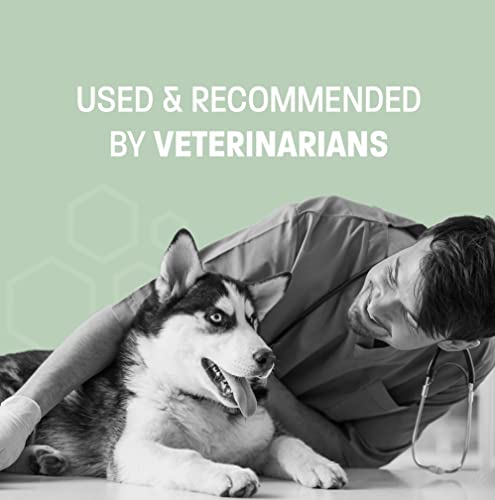
Veterinarians bring a wealth of knowledge and experience to dog wellness checks. With years of training and hands-on practice, they are adept at identifying subtle signs of health issues that might go unnoticed by pet owners. Their expertise ensures that your dog receives the best possible care.
Building a Relationship with Your Vet
Establishing a strong relationship with your veterinarian is crucial for your dog's long-term health. Regular visits help your vet become familiar with your dog's normal behavior and health status, making it easier to spot any changes. This relationship also allows for open communication, ensuring that you can discuss any concerns or questions you may have about your dog's health.
Questions to Ask During a Wellness Check
To make the most of your dog's wellness check, come prepared with questions. Here are some important topics to consider:
- Nutritional needs and diet recommendations
- Vaccination schedules and preventive care
- Signs of common health issues to watch for
- Advice on exercise and activity levels
- Any recent changes in behavior or habits
A proactive approach to your dog's health can lead to early detection of potential issues, ensuring a longer, healthier life for your furry friend.
By understanding the role of veterinarians in dog wellness checks, you can better decipher your dog's behavior and maintain their health through regular vet visits, proper nutrition, and preventive care.
How Pet Health Pros Supports Your Dog's Wellness
Veterinarian-Collaborated Products
Pet Health Pros takes pride in offering products that are crafted in collaboration with experienced veterinarians. This ensures that every item is designed with your dog's health in mind, providing reliable and effective solutions for various health needs.
Quality Ingredients for Optimal Health
Our commitment to quality is evident in our choice of ingredients. We use only locally sourced, top-grade materials to create our products. This not only supports local businesses but also guarantees that your dog receives the best possible care. Quality ingredients are the cornerstone of our product line.
Customer-Centric Services
At Pet Health Pros, we prioritize the satisfaction and well-being of both pets and their owners. Our customer service team is always ready to assist with any inquiries or concerns, ensuring a seamless experience from purchase to post-use. We also offer a 100% satisfaction guarantee, reflecting our confidence in the products we provide.
Our mission is to consistently improve our products and services to meet the evolving needs of pets and their owners. We believe that healthier pets lead to happier lives.
Tips for Preparing Your Dog for a Wellness Check
Reducing Stress and Anxiety
Ensuring your dog remains calm and relaxed before a wellness check is crucial. A stressed dog can make the examination more difficult and less accurate. To help reduce anxiety, consider the following tips:
- Take your dog for a walk before the appointment to burn off excess energy.
- Bring along a favorite toy or blanket to provide comfort.
- Use calming aids like pheromone sprays or anxiety wraps if necessary.
What to Bring to the Appointment
Being prepared for the wellness check can make the process smoother for both you and your veterinarian. Here’s a list of items to bring:
- Your dog’s medical records, including vaccination history.
- A list of any medications your dog is currently taking.
- Notes on any recent changes in behavior or health concerns.
- A fresh stool sample for parasite testing.
Post-Check Care and Follow-Up
After the wellness check, it’s important to follow through with any recommendations made by your veterinarian. This may include:
- Scheduling follow-up appointments or additional tests.
- Administering prescribed medications or treatments.
- Adjusting your dog’s diet or exercise routine based on the vet’s advice.
Regular wellness checks are a proactive way to ensure your dog’s long-term health and happiness. By preparing adequately, you can help make the experience positive and beneficial for your furry friend.
Preparing your dog for a wellness check is essential for their overall health and well-being. From regular grooming to ensuring they are comfortable with the vet, there are several steps you can take to make the process smoother. For more detailed tips and to explore our range of wellness products, visit our website today!
Conclusion
Regular wellness checks are essential to maintaining your dog's health and well-being. By staying proactive and scheduling routine visits to the veterinarian, you can catch potential health issues early and ensure your furry friend enjoys a long, happy life. At Pet Health Pros, we are committed to providing superior, affordable pet health supplies crafted in collaboration with veterinarians. Our products, made with locally sourced, top-grade ingredients, are designed to support your pet's health at every stage of life. Trust in our expertise and dedication to keep your pet healthy and happy. Remember, a healthy pet is a happy pet, and regular wellness checks are a crucial part of that equation.
Frequently Asked Questions
What is a dog wellness check?
A dog wellness check is a routine veterinary visit to assess your dog's overall health and well-being. It typically includes a physical examination, vaccinations, preventive care, and nutritional assessment.
Why are regular wellness checks crucial for my dog?
Regular wellness checks are crucial because they help detect early signs of illness, ensure that your dog is up-to-date on vaccinations, and provide an opportunity to discuss any concerns with your veterinarian. Early detection of health issues can lead to more effective treatment and a healthier life for your dog.
How often should I schedule a wellness check for my dog?
It is generally recommended to schedule a wellness check for your dog at least once a year. However, puppies, senior dogs, and dogs with existing health issues may require more frequent visits. Your veterinarian can provide personalized recommendations based on your dog's specific needs.
What should I bring to my dog's wellness check appointment?
You should bring your dog's medical records, a list of any medications or supplements they are taking, and any questions or concerns you have about their health. It's also helpful to bring a fresh stool sample for parasite testing.
How can I reduce my dog's stress and anxiety before a wellness check?
To reduce stress and anxiety, try to make the trip to the vet as positive as possible. Bring your dog's favorite treats or toys, use a calm and reassuring tone, and consider using calming products like pheromone sprays. Gradual desensitization to car rides and vet visits can also help.
What role do veterinarians play in dog wellness checks?
Veterinarians play a crucial role in dog wellness checks by using their expertise and experience to assess your dog's health, administer vaccinations, perform diagnostic tests, and provide recommendations for preventive care and treatment. Building a relationship with your vet ensures that your dog receives the best possible care.