
Antiseptic flushes play a crucial role in maintaining your dog's health by preventing infections and promoting healing. This guide is designed to help dog owners understand the importance of antiseptic flushes, how to select the right products, and the best practices for application. With insights from Pet Health Pros, a U.S.-based company with over fifty years of experience in veterinary medicine, you'll learn to integrate antiseptic care seamlessly into your dog's routine, ensuring their well-being and happiness.
Key Takeaways
- Antiseptic flushes are essential for preventing infections and aiding healing in dogs, and should be part of a regular health routine.
- Choosing the right antiseptic flush involves considering factors such as the dog's specific needs and consulting product recommendations from experts like Pet Health Pros.
- Proper application techniques are crucial for the effectiveness of antiseptic flushes, including preparation, step-by-step guidance, and aftercare.
- Safety is paramount when using antiseptic flushes, and owners should be aware of signs of infection, potential side effects, and when to seek veterinary advice.
- Regular antiseptic care, when combined with other health practices, can lead to long-term benefits for a dog's health and enhance the bond between pets and their owners.
Understanding Antiseptic Flushes for Dogs
The Role of Antiseptics in Canine Health
Antiseptics play a crucial role in maintaining the health and hygiene of your dog. These substances are used to eliminate or inhibit the growth of microorganisms on the skin and in wounds, which is essential for preventing infections. Proper use of antiseptics can be a key component in your dog's overall health regimen, ensuring that minor injuries do not escalate into more serious conditions.
Antiseptic flushes are particularly useful for cleaning out wounds or areas prone to infection. They can be applied to cuts, scrapes, and post-surgical sites to keep them clean and free from harmful bacteria. It's important to choose the right type of antiseptic solution, as some may be too harsh for certain types of skin or wounds.
When integrating antiseptic care into your dog's routine, consider the following: The specific needs of your dog based on their activity level and environment. The type of antiseptic that is best suited for your dog's particular situation. How to safely apply the antiseptic without causing discomfort to your pet.
By bonding with your dog through regular hygiene practices, you not only maintain their physical health but also strengthen your emotional connection. Managing conditions like ringworm with appropriate antiseptic solutions, such as ketoconazole and chlorhexidine, is vital. Disinfecting affected areas prevents reinfection and promotes faster healing.
Types of Antiseptic Solutions
Antiseptic solutions for dogs come in various forms, each designed to target specific conditions and areas of application. Chlorhexidine is a popular choice due to its broad-spectrum efficacy against bacteria, fungi, and certain viruses. It's often found in concentrations ranging from 0.05% to 4%, with higher concentrations used for more severe infections.
Another common antiseptic is povidone-iodine, which is known for its effectiveness and low potential for resistance development. It's typically used in a diluted form to avoid skin irritation. Hydrogen peroxide, while less commonly used due to its potential to damage tissue at high concentrations, can be effective for cleaning superficial wounds when used properly.
It's crucial to select an antiseptic solution that is appropriate for the type of infection and the area being treated. Using the wrong type or concentration can lead to ineffective treatment or even harm to your dog.
For a comprehensive approach to pet health, consider products from companies like Pet Health Pros, which are crafted in collaboration with veterinarians and made with locally sourced, top-grade ingredients. Their commitment to quality and customer satisfaction is evident in their brand promise to enhance the lives of pets and reassure their owners.
When to Use an Antiseptic Flush
Antiseptic flushes are a critical component in maintaining your dog's health, particularly when it comes to preventing and treating infections. Knowing when to use an antiseptic flush can save your pet from discomfort and potential health complications. These flushes are most commonly used in the following scenarios:
- After your dog has sustained a wound or injury to clean the area and prevent infection.
- In the presence of skin conditions such as hot spots, rashes, or allergic reactions to soothe and disinfect.
- As part of a dental care routine to promote dog oral health, especially when dealing with gum disease or after dental procedures.
- When your veterinarian recommends it as a treatment for ear infections or to maintain ear health.
It's essential to choose the right product and use it correctly to avoid further irritation or an adverse reaction. Always follow the usage instructions provided with the antiseptic solution for optimal results.
Remember, while antiseptic flushes are beneficial, they are not a substitute for professional veterinary care. If you're unsure about the need for an antiseptic flush or if your dog's condition doesn't improve, consult your veterinarian promptly.
Choosing the Right Antiseptic Flush
Factors to Consider
When selecting an antiseptic flush for your dog, it's crucial to consider various factors to ensure the safety and effectiveness of the treatment. The susceptibility of the bacterium to the antiseptic solution is a primary concern, as it determines the potential for successfully eliminating the infection. Additionally, you must weigh the potential adverse effects that the antiseptic may have on your dog's health.
Other considerations include the specific needs of your dog's condition and any underlying health issues that may affect treatment. For instance, dogs with sensitive skin may require a gentler formula. It's also important to consider the ease of application and the comfort level it provides for your pet during the treatment process.
When choosing an antiseptic flush, always prioritize your dog's well-being and consult with a veterinarian if you're unsure about the best option.
Here's a quick checklist to guide you through the selection process:
- Susceptibility of the bacterium to the antiseptic
- Potential adverse effects and allergies
- Specific needs related to your dog's health condition
- Underlying health issues that may influence treatment
- Ease of application and comfort for your dog
Product Recommendations from Pet Health Pros
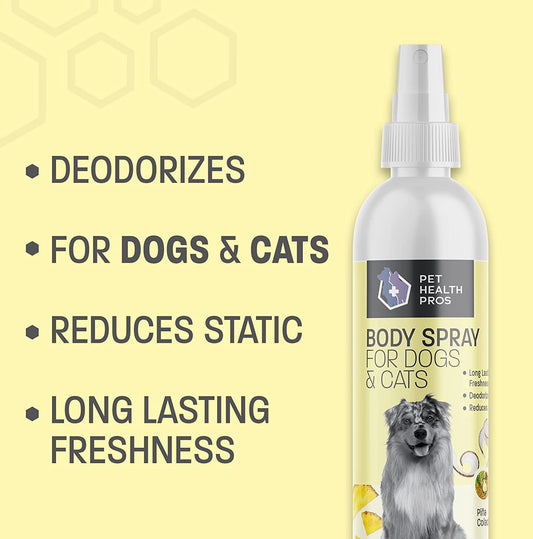
When selecting an antiseptic flush for your dog, it's crucial to consider recommendations from pet health professionals. Pet Health Pros is a U.S.-based company that has garnered trust within the pet community for its superior, affordable pet health supplies. Their products are crafted in collaboration with veterinarians and are made with locally sourced, top-grade ingredients.
Pet Health Pros offers a range of antiseptic flushes that are backed by a 100% satisfaction guarantee. With over fifty years of combined experience in Veterinary Medicine and Animal Health Management, the company ensures that each product meets the high standards expected by pet owners.
The Best Ear Drops for Dogs Reviewed: Pros, Cons, and Ingredient ...
For instance, their BEXLEY LABS Curaseb Dog Ear Infection Treatment and VETNIQUE LABS Oticbliss Ear Cleaner Flushes for dogs with odor control are highly recommended by pet health professionals. These products stand out for their expertise-driven formulations and customer-centric services.
Here's a quick list of why Pet Health Pros products are favored:
- Expertise-Driven Formulations
- Quality Ingredients
- Customer-Centric Services
- Backed by Decades of Professional Experience
Remember, when choosing an antiseptic flush, it's important to read and understand the product labels to ensure they are suitable for your dog's specific needs.
Reading and Understanding Product Labels
When selecting an antiseptic flush for your dog, it's crucial to read and understand the product labels carefully. Labels provide essential information about the ingredients, usage instructions, and safety warnings. Start by identifying the active antiseptic agents and their concentrations, as these determine the efficacy of the solution. Look for any additional beneficial components, such as soothing agents or moisturizers, that can aid in your dog's comfort during and after the application.
Pay special attention to the usage directions and recommended dosages. Overuse or incorrect application can lead to skin irritation or other adverse effects.
It's also important to check for any allergy warnings and the product's expiration date to ensure its effectiveness. If you're unsure about any details on the label, don't hesitate to reach out to the manufacturer or consult with your veterinarian. Remember, a well-informed choice will contribute to the safe and effective care of your dog's health.
Application Techniques for Antiseptic Flushes
Preparing Your Dog for Treatment
Before administering an antiseptic flush, it's crucial to ensure your dog is calm and comfortable. Start by choosing a quiet, well-lit area where your dog feels at ease. Speak to your dog in a soothing tone to help reduce anxiety.
Gently clean the area around the wound or site to be treated with a mild, non-irritating cleanser. This helps to remove any debris or bacteria that could interfere with the antiseptic's effectiveness.
Here's a simple checklist to follow before the antiseptic application:
- Ensure the dog is in a relaxed state
- Select a clean and quiet environment
- Have all supplies ready (antiseptic solution, gauze, gloves, etc.)
- Clean the affected area with a suitable cleanser
- Pat the area dry with a sterile cloth
Remember, the goal is to create a stress-free experience for your dog, which will make the treatment process smoother for both of you.
Step-by-Step Application Guide
After preparing the antiseptic solution and ensuring your dog is calm and secure, you're ready to begin the application process. Ensure you have all necessary supplies at hand before starting to avoid any interruptions. Here's a simple guide to follow:
- Wear gloves to maintain hygiene and protect your hands.
- Gently clean the affected area with a soft cloth to remove any debris or discharge.
- Saturate a gauze sponge with the antiseptic solution. Starting with the sponge, apply the solution in small circular motions, working from the center of the area outward.
- Allow the solution to sit for the recommended contact time to ensure effectiveness.
- Rinse the area with sterile water if required by the product instructions.
- Pat the area dry with a clean towel, being careful not to rub the skin.
- Dispose of all used materials properly and wash your hands thoroughly.
It's crucial to follow the product's specific instructions for application and contact time to prevent irritation and ensure the antiseptic is effective.
Remember to monitor your dog's behavior and comfort level throughout the process. If you notice any signs of distress or adverse reactions, discontinue use immediately and consult your veterinarian.
Aftercare and Monitoring
After applying an antiseptic flush, aftercare and monitoring are crucial to ensure your dog's swift recovery and to prevent complications. Observe the treated area for signs of redness, swelling, or discharge, which could indicate an infection. It's important to keep the area clean and dry, and to prevent your dog from licking or scratching it.
Consistency in aftercare is key. Here's a simple checklist to follow:
- Check the wound daily for any changes or signs of infection.
- Apply any prescribed ointments or medications as directed by your veterinarian.
- Ensure your dog wears a protective collar if necessary to prevent interference with the healing process.
- Schedule follow-up visits with your vet to assess healing progress.
Remember, prompt attention to any adverse reactions can make a significant difference in your dog's recovery. If you notice any unusual symptoms, contact your veterinarian immediately.
Maintaining a record of your dog's healing process can be helpful for future reference and for your vet to monitor progress. This includes noting any changes in behavior or appetite that may be related to the treatment.
Safety and Precautions
Identifying Signs of Infection
Recognizing the early signs of infection in your dog is crucial for timely and effective treatment. Infections can manifest in various ways, depending on the affected area and the severity. Common indicators include redness, swelling, heat, and pain at the site of infection. Dogs may also exhibit behavioral changes such as lethargy, loss of appetite, or increased irritability.
Discharge from wounds or body openings is another telltale sign of infection. It may be clear, yellow, green, or even bloody, indicating the presence of pus or other fluids associated with the body's response to infection. If you notice any of these symptoms, it's important to act quickly to prevent the infection from worsening.
It is essential to monitor your dog closely after applying an antiseptic flush, as this can help you detect any signs of infection early on.
Below is a list of symptoms that may suggest your dog has an infection:
- Persistent scratching or licking at a specific area
- Unpleasant odor emanating from the wound or skin
- Sudden onset of lameness or reluctance to move
- Fever or elevated body temperature
- Swollen lymph nodes near the site of a potential infection
If you observe any of these symptoms, consult with a veterinarian to determine the appropriate course of action. Remember, early detection and treatment are key to ensuring your dog's health and well-being.
Potential Side Effects and Allergic Reactions
While antiseptic flushes are generally safe for canine use, pet owners should be aware of possible side effects and allergic reactions. Minor adverse skin reactions occurred in 25% of cases, according to a study comparing the effects of different antiseptics. It's important to monitor your dog for any signs of discomfort, redness, or irritation following the application of an antiseptic flush.
Allergic reactions can range from mild to severe and may include symptoms such as swelling, itching, or respiratory distress. If you notice any of these symptoms, discontinue use immediately and consult your veterinarian.
Remember, the safety of your pet is paramount. Always perform a patch test before applying a new antiseptic product to your dog's skin.
In the event of a reaction, prompt action is crucial. Here is a list of steps to take if you suspect your dog is having an allergic reaction to an antiseptic flush:
- Stop using the product immediately.
- Wash the affected area with water to remove any remaining antiseptic solution.
- Contact your veterinarian for advice.
- Monitor your dog closely for any worsening of symptoms.
- Follow your veterinarian's instructions for treatment and care.
When to Consult a Veterinarian
While antiseptic flushes are a valuable tool in maintaining your dog's health, there are certain situations where consulting a veterinarian is crucial. If your dog's condition does not improve or worsens after using an antiseptic flush, it's essential to seek professional advice. Additionally, if you notice any signs of an allergic reaction, such as swelling, hives, or difficulty breathing, immediate veterinary care is necessary.
Symptoms that warrant a vet visit include:
- Persistent redness or swelling
- Discharge or foul odor from the affected area
- Excessive licking or scratching
- Signs of pain or discomfort
Remember, early intervention by a professional can prevent complications and ensure the best outcome for your dog's health.
Always read and follow the instructions on antiseptic products, and do not hesitate to contact your vet if you have any doubts or concerns about your dog's condition. Your veterinarian can provide guidance tailored to your dog's specific needs and help you understand when an antiseptic flush is appropriate and when it might be time to explore other treatment options.
Integrating Antiseptic Care into Your Dog's Routine
Creating a Regular Cleaning Schedule
Establishing a regular cleaning schedule for your dog's antiseptic care is crucial for maintaining their overall health and preventing infections. Consistency is key when it comes to applying antiseptic flushes, as it ensures that any potential pathogens are regularly eliminated.
Frequency of antiseptic application will vary depending on your dog's specific needs and the advice of your veterinarian. However, a general guideline can be followed to help you get started:
- Daily: For dogs with active infections or after surgery
- Weekly: For preventive care in dogs with a history of infections
- Monthly: For general maintenance in healthy dogs
Remember, the schedule should be adapted to your dog's individual health status and lifestyle. Always consult with your veterinarian to determine the most appropriate frequency for antiseptic flushes.
It's also important to monitor your dog's reaction to the antiseptic flushes. If you notice any signs of irritation or discomfort, it's essential to adjust the schedule or consult your veterinarian for further guidance. By integrating antiseptic care into your dog's routine, you're taking a proactive step towards their long-term well-being.
Combining Antiseptic Flushes with Other Health Practices
Integrating antiseptic flushes into your dog's healthcare routine should be done with consideration for other ongoing health practices. Regular grooming and ear cleaning are complementary to antiseptic flushes, ensuring that your dog remains clean and free from potential sources of infection.
Consistency is key when combining antiseptic care with other health measures. Here's a simple guide to help you create a balanced routine:
- Weekly ear inspections and cleaning
- Monthly nail trims to prevent overgrowth and splitting
- Regular brushing to reduce shedding and skin irritation
- Scheduled antiseptic flushes as recommended by your veterinarian
Remember, the goal is to maintain your dog's overall health without causing undue stress or discomfort. Adjust the frequency of these practices based on your dog's specific needs and lifestyle.
Always monitor your dog's reaction to new health practices and consult with a veterinarian if you notice any adverse effects. By doing so, you can ensure that antiseptic flushes serve as a beneficial part of a holistic approach to your dog's well-being.
Long-Term Benefits of Antiseptic Care
Integrating antiseptic flushes into your dog's health routine can lead to numerous long-term benefits. Regular use of antiseptics like Chlorhexidine can help maintain the overall skin health of your dog, preventing the onset of infections that can lead to more serious health issues. By proactively managing your dog's skin health, you can potentially reduce the frequency of vet visits and associated costs.
Consistency is key when it comes to antiseptic care. Establishing a routine helps in early detection of any abnormalities, ensuring timely intervention. Here are some of the long-term benefits:
- Sustained protection against bacterial and fungal growth
- Reduced risk of skin infections and irritations
- Enhanced healing of minor wounds and abrasions
- Improved skin and coat condition
By diligently applying antiseptic flushes, you are not only treating current conditions but also safeguarding your dog's future health. This preventive measure is an investment in your pet's well-being and can lead to a happier, more comfortable life for your furry friend.
Ensuring your furry friend stays healthy and happy means integrating antiseptic care into their daily routine. From regular baths with medicated shampoos to proper wound care, taking the right steps can prevent infections and promote overall well-being. To learn more about how to effectively incorporate antiseptic practices into your dog's life, visit our website for a comprehensive guide and expert tips. Don't let your pet's health wait—take action today!
Conclusion
In conclusion, antiseptic flushes are a vital component in maintaining your dog's health, preventing infections, and ensuring their overall well-being. Pet Health Pros, with its U.S.-based operations, offers superior and affordable pet health supplies, including antiseptic solutions that are crafted in collaboration with veterinarians and made with locally sourced, top-grade ingredients. With over fifty years of experience in veterinary medicine and animal health management, the brand stands as a beacon of trust and expertise for pet owners. By choosing Pet Health Pros, you are not only selecting quality products but also supporting a company that is committed to the consistent improvement of pet care. Remember, healthier pets lead to happier lives, and with the right care, including the use of antiseptic flushes, you can ensure your furry companion enjoys a vibrant, healthy life.
Frequently Asked Questions
What are antiseptic flushes and how do they benefit my dog's health?
Antiseptic flushes are solutions used to clean wounds or potential infection sites on your dog's body. They help prevent infection by eliminating harmful bacteria and other pathogens, promoting faster healing and overall better health.
How do I choose the right antiseptic flush for my dog?
When choosing an antiseptic flush, consider factors such as the type of wound, your dog's skin sensitivity, and the ingredients of the product. Look for recommendations from pet health professionals like Pet Health Pros, and read labels carefully to ensure the product is suitable for your dog.
Can I use human antiseptic products on my dog?
It's not recommended to use human antiseptics on dogs as they may contain ingredients that are harmful to pets. Always use products specifically formulated for dogs, such as those from Pet Health Pros, which are made with locally sourced, top-grade ingredients.
How do I apply an antiseptic flush to my dog?
To apply an antiseptic flush, gently clean the affected area with the solution, following the step-by-step guide provided with the product. Ensure you prepare your dog calmly and follow up with aftercare, as recommended by the product instructions or your veterinarian.
What should I do if my dog has an allergic reaction to an antiseptic flush?
If you notice signs of an allergic reaction, such as redness, swelling, or itching, stop using the product immediately and consult your veterinarian. Pet Health Pros products are backed by a 100% satisfaction guarantee, and their customer service can provide support for any concerns.
How often should I use antiseptic flushes in my dog's routine?
The frequency of antiseptic flush use depends on your dog's needs and the advice of your veterinarian. For routine care, establish a regular cleaning schedule that aligns with your dog's activities and exposure to potential infection risks.