
Omega 3 fatty acids are crucial for keeping your dog healthy. They support many vital functions, from maintaining a shiny coat to boosting the immune system. This guide will help you understand the benefits of Omega 3 for dogs and how to include it in their diet.
Key Takeaways
- Omega 3 fatty acids are essential for your dog's overall health.
- They can improve your dog's skin and coat, making it shiny and healthy.
- Omega 3 helps support joint health and can reduce inflammation.
- Including Omega 3 in your dog's diet can boost their immune system.
- Consult with your vet to choose the right Omega 3 supplement for your dog.
Understanding Omega 3 Fatty Acids
Types of Omega 3 Fatty Acids
Omega 3 fatty acids are essential fats that dogs need for various bodily functions. The three main types are ALA (alpha-linolenic acid), EPA (eicosapentaenoic acid), and DHA (docosahexaenoic acid). EPA and DHA are particularly important for dogs as they play a crucial role in brain function and reducing inflammation.
Sources of Omega 3 for Dogs
Dogs can get Omega 3 fatty acids from several sources. Fish oil, flaxseed oil, and certain types of algae are rich in these essential fats. Fish oil is often considered the best source because it contains high levels of EPA and DHA, which are more readily absorbed by dogs.
How Omega 3 is Absorbed in Dogs
Once ingested, Omega 3 fatty acids are absorbed in the small intestine. They are then transported through the bloodstream to various tissues where they exert their beneficial effects. It's important to note that the absorption rate can vary depending on the source of Omega 3 and the overall health of the dog.
Omega 3 fatty acids are vital for maintaining your dog's health, from their brain to their joints. Ensuring they get enough of these essential fats can make a significant difference in their quality of life.
Health Benefits of Omega 3 for Dogs
Improving Skin and Coat Health
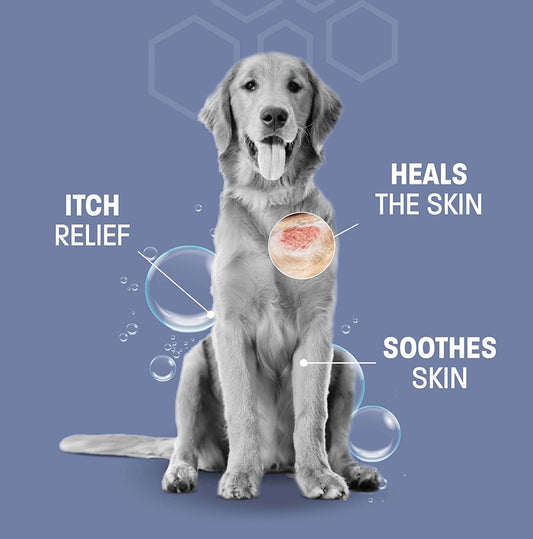
Omega 3 fatty acids can make your dog's skin and coat healthier. These fats help reduce itching and dryness, making your dog's fur shiny and smooth. A bark above the rest: omega 3 benefits for dogs include fewer skin allergies and less shedding.
Supporting Joint Health
Omega 3 is great for your dog's joints. It helps reduce inflammation, which can ease pain from arthritis and other joint issues. This means your dog can move around more easily and stay active longer.
Boosting Immune Function
Omega 3 fatty acids also help your dog's immune system. They make it easier for your dog to fight off infections and stay healthy. This is especially important for older dogs or those with weak immune systems.
Adding Omega 3 to your dog's diet can make a big difference in their overall health. From a shiny coat to better joint health, these fatty acids are essential for keeping your dog happy and healthy.
Choosing the Right Omega 3 Supplement for Your Dog
Types of Omega 3 Supplements
Omega 3 supplements for dogs come in various forms, including liquid oils, capsules, and chewable treats. Liquid oils are often added to food, while capsules can be given directly or hidden in treats. Chewable supplements are usually flavored to make them more appealing to dogs.
Reading Supplement Labels
When choosing an Omega 3 supplement, it's crucial to read the label carefully. Look for the amount of EPA and DHA, the two most beneficial types of Omega 3 fatty acids. Ensure there are no harmful additives or fillers. Always check for third-party testing to confirm the product's quality and purity.
Consulting with Your Veterinarian
Before starting any new supplement, consult with your veterinarian. They can provide personalized advice based on your dog's specific needs and health conditions. Your vet can also recommend the best type and dosage of Omega 3 supplement for your dog.
It's essential to choose a high-quality Omega 3 supplement to ensure your dog gets the maximum health benefits. Consult your vet to make the best choice for your furry friend.
Incorporating Omega 3 into Your Dog's Diet
Adding Omega 3 to Commercial Dog Food
Adding Omega 3 to your dog's commercial food is a simple way to boost their health. Many dog foods already contain Omega 3, but you can also add supplements. Consult your vet to determine the right amount for your dog. You can mix liquid Omega 3 oil into their food or use chewable supplements.
Homemade Dog Food Recipes with Omega 3
Making homemade dog food allows you to control the ingredients and ensure your dog gets enough Omega 3. Fish like salmon and sardines are excellent sources. You can also add flaxseed or chia seeds. Here's a simple recipe:
- 1 cup cooked salmon
- 1/2 cup cooked sweet potatoes
- 1/4 cup cooked peas
- 1 tablespoon flaxseed oil
Mix all ingredients and serve according to your dog's size and dietary needs.
Dosage Recommendations
The right dosage of Omega 3 depends on your dog's weight and health condition. Generally, dogs need about 20-55 mg of combined EPA and DHA per pound of body weight. Always start with a lower dose and gradually increase it. Consult your vet for personalized advice.
Omega 3 improves heart health, joint function, skin, coat, and cognitive function in cats and dogs. Consult vet for proper dosage.
Potential Side Effects and Precautions
Recognizing Side Effects
While Omega 3 supplements are generally safe for dogs, some commonly reported side effects of omega-3 supplements are usually mild. These include an unpleasant taste, bad breath, heartburn, nausea, and gastrointestinal issues. It's important to monitor your dog for any unusual symptoms after starting a new supplement.
Preventing Overdose
To prevent an overdose, always follow the dosage recommendations provided by your veterinarian or the supplement manufacturer. Overdosing on Omega 3 can lead to more serious health issues, such as excessive bleeding or a weakened immune system. Carefully measure the supplement to ensure your dog receives the correct amount.
Special Considerations for Puppies and Senior Dogs
Puppies and senior dogs may have different nutritional needs compared to adult dogs. Puppies require Omega 3 for brain development, while senior dogs may need it for joint support. Always consult with your veterinarian before adding any new supplement to your puppy or senior dog's diet to ensure it meets their specific needs.
Always consult with your veterinarian before adding any new supplement to your dog's diet to ensure it meets their specific needs.
Frequently Asked Questions About Omega 3 for Dogs
Can All Dogs Take Omega 3?
Most dogs can benefit from Omega 3 supplements, but it's important to consult your vet first. Some dogs might have specific health conditions that require special attention. Always check with your vet to ensure it's safe for your furry friend.
How Long Before Benefits Are Seen?
The time it takes to see benefits from Omega 3 can vary. Generally, you might notice improvements in your dog's skin and coat within a few weeks. Joint health and other benefits may take a bit longer. Patience is key, as every dog is different.
Are There Any Interactions with Medications?
Omega 3 supplements are usually safe, but they can interact with certain medications. If your dog is on any medication, especially blood thinners, it's crucial to discuss this with your vet. They can provide guidance on the proper dosage and any potential interactions.
Omega 3 is important for overall health, including skin, coat, and joint mobility. Always consult your vet for proper dosage and high-quality supplements.
Got questions about Omega 3 for your dog? We've got answers! Omega 3 is essential for your dog's health, helping with everything from shiny coats to joint support. Want to learn more? Visit our website for detailed information and find the best Omega 3 products for your furry friend.
Conclusion
In summary, adding Omega-3 to your dog's diet can bring many health benefits. These fatty acids can help with joint health, make their coat shiny, and boost their immune system. It's important to talk to your vet before starting any new supplement. With the right advice, Omega-3 can be a great addition to your dog's health routine.
Frequently Asked Questions
Can all dogs take Omega 3?
Most dogs can benefit from Omega 3 supplements, but it's best to check with your vet first, especially if your dog has health issues.
How long before benefits are seen?
You might start to see improvements in your dog's coat and energy levels within a few weeks, but it can take up to three months for full benefits.
Are there any interactions with medications?
Omega 3 supplements can interact with some medications, so it's important to talk to your vet if your dog is on any medication.
What's the best way to give Omega 3 to my dog?
Omega 3 can be added to your dog's food. There are also chewable supplements available that dogs usually enjoy.
Can puppies take Omega 3?
Yes, puppies can take Omega 3, but the dosage might be different compared to adult dogs. Always consult your vet for the right dosage.
Are there any side effects?
Some dogs might experience mild side effects like diarrhea or a fishy smell. If side effects are severe or persistent, consult your vet.