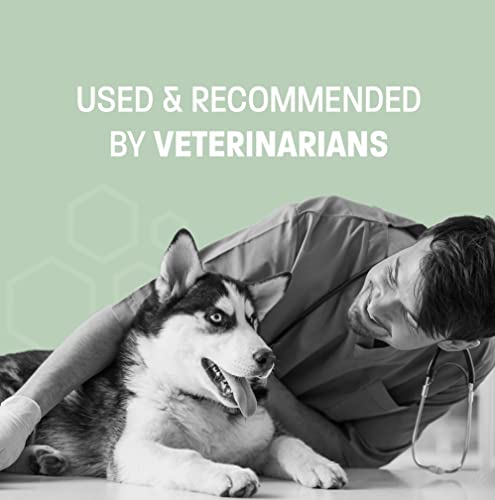

Medical grooming for dogs goes beyond the regular grooming routines to address specific health needs and ensure the overall well-being of your furry friend. This specialized grooming approach can prevent health issues, detect medical conditions early, and contribute to your dog's happiness and longevity.
Key Takeaways
- Medical grooming for dogs includes specialized procedures that address specific health concerns.
- Common procedures include ear cleaning, dental hygiene, and skin treatments.
- Regular medical grooming can prevent health issues and detect conditions early.
- Choosing a qualified professional with veterinary collaboration is crucial for effective medical grooming.
- At-home medical grooming tips can help maintain your dog's health between professional sessions.
Understanding Medical Grooming for Dogs
Definition and Scope
Medical grooming for dogs involves specialized care that goes beyond regular grooming. It includes procedures aimed at maintaining and improving a dog's health, such as ear cleaning, dental hygiene, and skin treatments. Medical grooming is essential for preventing infections and other health issues.
Importance in Pet Health
Regular medical grooming can significantly impact a dog's overall well-being. It helps in the early detection of potential health problems, ensuring timely intervention. This proactive approach can save pet owners from costly treatments in the long run.
Differences from Regular Grooming
While regular grooming focuses on aesthetics, medical grooming prioritizes health. It involves more thorough and specialized procedures, often performed by professionals trained in pet health. This type of grooming is crucial for dogs with specific health needs or conditions.
Medical grooming is not just for sick dogs; it's a preventive measure that keeps your pet healthy and happy.
Common Medical Grooming Procedures
Ear Cleaning and Care
Regular ear cleaning is essential to prevent infections and maintain your dog's overall ear health. Proper ear care involves removing excess wax and debris, which can harbor bacteria and lead to infections. Using specialized solutions, such as those containing chlorhexidine, can help keep your dog's ears clean and healthy.
Dental Hygiene
Maintaining your dog's dental hygiene is crucial for preventing periodontal disease, which can lead to more severe health issues. Regular brushing with dog-specific toothpaste and using dental chews can significantly reduce plaque and tartar buildup. Routine dental check-ups with your veterinarian are also recommended to ensure your dog's teeth and gums remain healthy.
Skin and Coat Treatments
Skin and coat treatments are vital for addressing various dermatological issues and ensuring your dog's coat remains shiny and healthy. Treatments may include medicated baths, topical ointments, and specialized diets to address skin conditions such as allergies, infections, and parasites. Keeping your dog's skin and coat in good condition can prevent discomfort and promote overall well-being.
Regular medical grooming is not just about aesthetics; it's a proactive approach to maintaining your dog's health and happiness.
Benefits of Medical Grooming for Dogs
Prevention of Health Issues
Regular medical grooming plays a crucial role in preventing various health issues in dogs. By maintaining proper hygiene, you can significantly reduce the risk of infections, parasites, and other health problems. Routine ear cleaning, for example, helps prevent ear infections that can lead to more severe complications if left untreated.
Early Detection of Medical Conditions
Medical grooming sessions often include thorough inspections of your dog's body, which can lead to the early detection of potential medical conditions. Groomers are trained to spot abnormalities such as lumps, skin infections, or dental issues that might go unnoticed by pet owners. Early detection allows for prompt treatment, improving the chances of successful outcomes.
Enhanced Overall Well-being
Beyond physical health, medical grooming contributes to your dog's overall well-being. A well-groomed dog is likely to feel more comfortable and less stressed. Regular grooming sessions can also strengthen the bond between you and your pet, as they associate the grooming process with positive experiences. This holistic approach ensures that your dog remains happy and healthy.
Consistent medical grooming is not just about aesthetics; it's a vital component of your dog's health care routine. By integrating these practices, you are investing in your pet's long-term wellness and happiness.
Choosing the Right Professional for Medical Grooming
Selecting the right professional for your dog's medical grooming is crucial for ensuring their health and well-being. A qualified groomer can make a significant difference in maintaining your pet's overall health.
Qualifications to Look For
When choosing a medical groomer, it's essential to verify their credentials. Look for certifications from reputable grooming schools and associations. Additionally, experience in handling various breeds and medical conditions is a plus.
Questions to Ask
Before committing to a groomer, ask about their experience with medical grooming. Inquire about the specific procedures they offer and their approach to handling anxious or special-needs dogs. It's also wise to ask for references or reviews from other pet owners.
Importance of Veterinary Collaboration
A good medical groomer should work closely with veterinarians. This collaboration ensures that any underlying health issues are addressed promptly. Regular grooming sessions can help in the early detection of potential health problems, making veterinary collaboration indispensable.
Choosing a professional who collaborates with veterinarians can provide an added layer of care for your pet.
At-Home Medical Grooming Tips
Essential Tools and Supplies
To effectively groom your dog at home, you'll need a few essential tools and supplies. These include a high-quality brush, nail clippers, ear cleaning solution, and dog-friendly toothpaste. Investing in the right tools can make the grooming process smoother and more efficient.
Step-by-Step Guides
- Brushing: Start by brushing your dog's coat to remove any tangles or mats. This not only keeps their coat healthy but also provides an opportunity to check for any unusual lumps or bumps.
- Nail Clipping: Carefully trim your dog's nails, ensuring not to cut too close to the quick. Regular nail trimming prevents overgrowth and discomfort.
- Ear Cleaning: Use a vet-approved ear cleaning solution to gently clean your dog's ears. This helps prevent infections and keeps their ears healthy.
- Dental Care: Brush your dog's teeth with dog-friendly toothpaste to maintain their dental hygiene. Regular brushing can prevent dental diseases and bad breath.
When to Seek Professional Help
While at-home grooming is beneficial, there are times when professional help is necessary. If you notice any signs of infection, severe matting, or if your dog is particularly anxious during grooming, it's best to consult a professional groomer or veterinarian.
Regular grooming is not just about keeping your dog looking good; it's about maintaining their overall health and well-being. By incorporating these at-home grooming tips, you can ensure your pet stays healthy and happy.
Addressing Common Myths About Medical Grooming
Myth: It's Only for Sick Dogs
One common misconception is that medical grooming is only necessary for dogs that are already ill. Medical grooming is essential for all dogs, regardless of their health status. Regular medical grooming helps in debunking the top 10 misconceptions about dog health, including tail wagging, nose temperature, grass eating, mouth cleanliness, color vision, food safety, and dental care. It plays a crucial role in maintaining overall health and preventing potential issues before they become serious.
Myth: It's Too Expensive
Another myth is that medical grooming is prohibitively expensive. While it may seem like an added cost, the benefits far outweigh the expenses. Investing in regular medical grooming can save you money in the long run by preventing costly medical treatments. Additionally, many grooming services offer packages that make it more affordable.
Myth: It's Unnecessary for Young Dogs
Many pet owners believe that young dogs do not need medical grooming. However, starting medical grooming at a young age can set the foundation for a lifetime of good health. Early grooming helps acclimate your dog to the process, making it less stressful for them as they grow older. It also allows for early detection of any potential health issues, ensuring timely intervention.
Regular medical grooming is not just a luxury; it's a necessity for maintaining your dog's health and happiness.
How Often Should You Schedule Medical Grooming?
Factors Influencing Frequency
The frequency of medical grooming for your dog depends on several factors, including breed, age, and specific health needs. Certain breeds with long hair or floppy ears may require more frequent grooming to prevent issues like ear infections or matting. Additionally, older dogs or those with existing health conditions might need more regular attention to maintain their well-being.
Recommended Schedule by Age and Breed
A general guideline for medical grooming is as follows:
- Puppies: Every 4-6 weeks to establish a routine and address any early health concerns.
- Adult Dogs: Every 6-8 weeks, depending on breed and health status.
- Senior Dogs: Every 4-6 weeks, as they are more prone to health issues that can be mitigated through regular grooming.
Signs Your Dog Needs Immediate Attention
Be vigilant for signs that your dog may need immediate grooming care. These can include excessive scratching, unusual odors, or visible skin issues. If you notice any of these symptoms, it's crucial to seek professional help promptly to prevent further complications.
Regular medical grooming is essential for the health and happiness of your furry friend. It not only keeps them looking their best but also plays a vital role in early detection and prevention of potential health issues.
Regular medical grooming is essential for your pet's health and well-being. To ensure your furry friend stays in top shape, it's recommended to schedule grooming sessions every 4-6 weeks. For more tips and to explore our range of grooming products, visit our website today!
Conclusion
In conclusion, medical grooming is an essential aspect of maintaining your dog's overall health and happiness. By incorporating regular grooming sessions that focus on medical needs, pet owners can prevent a variety of health issues, ensure early detection of potential problems, and enhance their pet's quality of life. Companies like Pet Health Pros, with their expertise-driven formulations and commitment to quality, provide the necessary tools and products to support these grooming practices. By prioritizing medical grooming, you are not only investing in your pet's well-being but also fostering a stronger bond with your furry companion. Remember, a well-groomed dog is a happy and healthy dog.
Frequently Asked Questions
What is medical grooming for dogs?
Medical grooming involves specialized grooming techniques aimed at maintaining and improving your dog's health, such as ear cleaning, dental hygiene, and skin treatments. It goes beyond regular grooming to address specific health needs.
How often should I schedule medical grooming for my dog?
The frequency of medical grooming depends on various factors, including your dog's age, breed, and specific health needs. Generally, it is recommended to consult with your veterinarian to develop a tailored grooming schedule.
Is medical grooming only necessary for sick dogs?
No, medical grooming is beneficial for all dogs, not just those who are sick. It helps in the prevention of health issues, early detection of medical conditions, and enhances overall well-being.
Can I perform medical grooming at home?
While some aspects of medical grooming can be done at home with the right tools and knowledge, it is important to seek professional help for more complex procedures to ensure your dog's safety and well-being.
What qualifications should I look for in a professional medical groomer?
Look for professionals who have specific training and certification in medical grooming, experience working with dogs, and collaboration with veterinarians. It's also important to read reviews and ask for recommendations.
Is medical grooming expensive?
The cost of medical grooming can vary, but it is an investment in your dog's health. Preventive care through regular medical grooming can potentially save you money by avoiding more serious health issues down the line.