
Traveling with your pet can be a rewarding experience, but it requires careful preparation to ensure their health and safety. One of the most important steps is obtaining a pet health certificate. This document is essential for meeting legal requirements and ensuring your pet is fit to travel. In this article, we will guide you through the process of obtaining a pet health certificate, from understanding its importance to finding the right veterinarian and preparing your pet for the examination.
Key Takeaways
- A pet health certificate is crucial for meeting legal travel requirements and ensuring your pet's health.
- Choose a qualified veterinarian who is experienced in issuing pet health certificates.
- Prepare your pet for the health examination by ensuring they are up-to-date on vaccinations and treatments.
- Keep the health certificate accessible during travel and understand the specific policies of airlines and travel carriers.
- Regularly renew and update the pet health certificate to maintain accurate health records and compliance with travel regulations.
Understanding the Importance of a Pet Health Certificate
A pet health certificate is a crucial document for anyone planning to travel with their pet. It serves as proof that your pet is healthy and free from contagious diseases. This certificate is often required by airlines, travel carriers, and even some destinations to ensure the safety and well-being of all animals and humans involved in the travel process.
Finding a Veterinarian for Your Pet Health Certificate
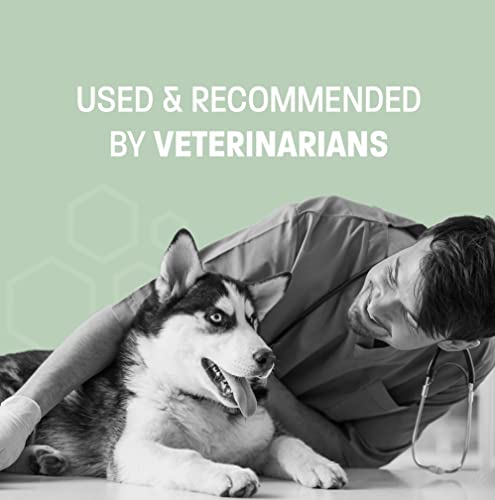
Choosing the right veterinarian is crucial for obtaining a pet health certificate. Ensure the vet is accredited and experienced in handling travel-related health documentation. Look for reviews and ask for recommendations from fellow pet owners.
When selecting a veterinarian, it's important to ask specific questions to gauge their expertise. Inquire about their experience with pet travel requirements, the types of vaccinations needed, and any potential health risks for your pet. This will help you feel confident in their ability to provide the necessary care.
Scheduling an appointment should be done well in advance of your travel date. This allows ample time for any required treatments or vaccinations. Make sure to confirm the vet's availability and understand the timeline for receiving the health certificate.
Finding a qualified veterinarian is a key step in ensuring your pet's health and compliance with travel regulations. Proper planning and communication with your vet can make the process smoother and stress-free.
Preparing Your Pet for the Health Examination
Getting your pet ready for a health examination is crucial to ensure a smooth process and accurate results. Proper preparation can make a significant difference in the outcome of the exam and the well-being of your pet.
Necessary Vaccinations and Treatments
Before the examination, ensure your pet is up-to-date with all necessary vaccinations and treatments. This not only protects your pet but also helps in meeting the legal requirements for travel. Consult your veterinarian to get a comprehensive guide for dog owners on annual vet exams and to confirm which vaccinations are needed.
What to Bring to the Vet Appointment
When heading to the vet, bring all relevant medical records, a list of current medications, and any previous health certificates. Having these documents handy will help the vet make informed decisions about your pet's health. Additionally, bring a favorite toy or blanket to comfort your pet during the visit.
Tips for Reducing Pet Stress
Pets can often feel anxious during vet visits. To reduce stress, try to keep your pet calm and relaxed before the appointment. You can take them for a walk or engage in a favorite activity to burn off excess energy. Using calming sprays or treats can also be beneficial. Remember, a stress-free pet is more likely to have a successful examination.
Preparing your pet for a health examination not only ensures compliance with travel regulations but also contributes to their overall well-being. Taking these steps can make the process smoother for both you and your pet.
The Health Examination Process
What to Expect During the Examination
During the health examination, your veterinarian will conduct a thorough check-up of your pet. This includes assessing their overall physical condition, checking vital signs, and looking for any signs of illness or distress. It's essential to ensure your pet is in good health before traveling. The vet will also review your pet's medical history and vaccination records to ensure all necessary treatments are up to date.
Common Tests and Procedures
Several tests and procedures may be performed during the examination, such as:
- Blood tests to check for underlying health issues
- Fecal exams to detect parasites
- Vaccinations to protect against common diseases
- Physical exams to assess the pet's general health
These tests help in identifying any potential health concerns that could affect your pet during travel.
Receiving the Health Certificate
Once the examination is complete and your pet is deemed healthy, the veterinarian will issue a pet health certificate. This document certifies that your pet has been examined and is fit for travel. Make sure to keep this certificate accessible during your journey, as it may be required at various checkpoints.
Preparing for the health examination is crucial for a smooth travel experience with your pet. Ensure all vaccinations and treatments are up to date and bring any necessary documents to the vet appointment.
Traveling with Your Pet Health Certificate
When traveling with your pet, it's crucial to keep the health certificate easily accessible. Store the certificate in a secure yet reachable place, such as a dedicated folder in your carry-on bag. This ensures you can quickly present it when required by authorities or airline staff.
Different airlines and travel carriers have varying policies regarding pet travel. It's essential to familiarize yourself with these regulations well in advance. Check the specific requirements of your chosen airline, including any restrictions on pet breeds, sizes, and the necessary documentation. Compliance with these policies will help avoid any last-minute issues at the airport.
Traveling with a pet can be stressful, but with proper preparation, you can ensure a smooth journey:
- Pre-Travel Vet Visit: Schedule a vet visit before your trip to confirm your pet's health status and update any necessary vaccinations.
- Comfort Items: Bring along your pet's favorite toys or blankets to provide comfort during the journey.
- Hydration and Feeding: Ensure your pet stays hydrated and has access to food, but avoid feeding them right before the trip to prevent motion sickness.
- Frequent Breaks: If traveling by car, plan for regular breaks to allow your pet to stretch and relieve themselves.
Remember, a well-prepared trip can make the experience enjoyable for both you and your pet. Proper planning and understanding of travel requirements are key to a hassle-free journey.
Renewing and Updating Your Pet Health Certificate
When to Renew the Certificate
Pet health certificates typically have a validity period, often ranging from 30 days to a year, depending on the destination and mode of travel. It's crucial to check the expiration date and plan for renewal well in advance of any travel plans. This ensures that your pet remains compliant with travel regulations and avoids any last-minute hassles.
Updating Vaccinations and Treatments
Regular updates to your pet's vaccinations and treatments are essential for maintaining their health and ensuring they meet travel requirements. Common vaccinations that may need updating include rabies, distemper, and parvovirus. Additionally, treatments for parasites like fleas and ticks should be current. Keeping a schedule of these updates can help you stay on top of your pet's health needs.
Maintaining Accurate Health Records
Accurate health records are vital for the smooth renewal of your pet's health certificate. These records should include vaccination dates, treatment histories, and any recent health issues. Organizing these documents in a dedicated folder or digital format can make the renewal process more efficient. Veterinarians often require a comprehensive health history to issue a new certificate, so having these records readily available is beneficial.
The ultimate guide to pet care emphasizes training, mental stimulation, recognizing signs of illness, common health issues, pet insurance, responsible ownership, building a strong bond, and FAQs for pet care.
Common Challenges and Solutions
Dealing with Lost or Expired Certificates
Losing a pet health certificate can be stressful, especially when travel plans are imminent. It's crucial to keep a digital copy of the certificate as a backup. If the certificate expires, contact your veterinarian immediately to schedule a renewal appointment. Most veterinarians can expedite the process if you explain the urgency.
Handling Pet Anxiety During Travel
Travel can be a significant source of anxiety for pets. To minimize stress, consider the following tips:
- Use a comfortable and familiar carrier.
- Bring along your pet's favorite toys or blankets.
- Consult your veterinarian about possible calming medications or supplements.
Ensuring Compliance with Different Travel Regulations
Different destinations have varying regulations for pet travel. It's essential to research the specific requirements of your destination well in advance. This may include vaccinations, treatments, or additional documentation. Consulting with your veterinarian can provide clarity and ensure all necessary steps are taken.
Preparing in advance and staying informed can make the travel experience smoother for both you and your pet.
Navigating the common challenges of pet care can be daunting, but our expert solutions make it easier. From medicated treatments to wellness products, we have everything you need to keep your furry friends healthy and happy. Visit our website to explore our range of trusted, vet-approved products and take the first step towards better pet health today!
Conclusion
Obtaining a pet health certificate for travel is a crucial step in ensuring the safety and well-being of your furry companion. By following the guidelines outlined in this article, you can navigate the process with ease and confidence. Remember to consult with your veterinarian, gather all necessary documentation, and stay informed about the specific requirements of your travel destination. At Pet Health Pros, we are committed to providing you with the best pet health supplies and expert advice to make your journey as smooth as possible. For more information and to explore our range of products, visit our online store or our Amazon storefront. Safe travels and happy adventures with your pet!
Frequently Asked Questions
What is a pet health certificate and why is it important for travel?
A pet health certificate is an official document provided by a licensed veterinarian that confirms your pet is healthy and free from contagious diseases. It's important for travel to ensure the safety of your pet, other animals, and humans.
How do I find a qualified veterinarian for a pet health certificate near me?
You can find a qualified veterinarian by searching online, asking for recommendations from friends or family, or checking with local veterinary associations. Ensure the vet is licensed and experienced in providing pet health certificates for travel.
What vaccinations and treatments are necessary for obtaining a pet health certificate?
Necessary vaccinations and treatments can vary depending on your destination. Common requirements include rabies vaccination, flea and tick treatments, and deworming. Check with your veterinarian for specific requirements.
How long is a pet health certificate valid for travel?
The validity of a pet health certificate can vary, but it is typically valid for 10 days for domestic travel and up to 30 days for international travel. Always check the specific requirements of your travel destination.
What should I do if my pet health certificate expires before my return trip?
If your pet health certificate expires before your return trip, you will need to visit a veterinarian at your travel destination to obtain a new certificate. Plan ahead to avoid any travel disruptions.
How can I reduce my pet’s stress during the health examination and travel?
To reduce your pet’s stress, bring their favorite toys or treats, maintain a calm demeanor, and ensure they are comfortable and familiar with their carrier. Consult your veterinarian for additional tips and strategies.