
Choosing the right shampoo for your puppy is crucial for their health and happiness. Just like humans, puppies have different skin and coat needs that require special attention. With so many options available, it can be confusing to know which one is best for your furry friend. This guide will help you understand what to look for in a puppy shampoo and how to make the best choice.
Key Takeaways
- Understand your puppy’s skin and coat needs before choosing a shampoo.
- Look for natural and hypoallergenic ingredients to avoid skin irritation.
- Learn to read and understand shampoo labels to identify harmful chemicals.
- Consider vet-recommended brands for reliable and safe options.
- DIY puppy shampoos can be a good option but come with potential risks.
Understanding Your Puppy's Skin and Coat Needs
Skin Sensitivity in Puppies
Puppies often have delicate skin that can be easily irritated. It's important to choose a shampoo that is gentle and free from harsh chemicals. Look for products specifically designed for puppies to avoid any adverse reactions.
Coat Types and Their Requirements
Different breeds have different coat types, each with unique needs. For example, a long-haired breed may require a moisturizing shampoo to prevent tangles, while a short-haired breed might benefit from a formula that enhances shine. Understanding your puppy's coat type will help you select the best shampoo.
Common Skin Issues in Puppies
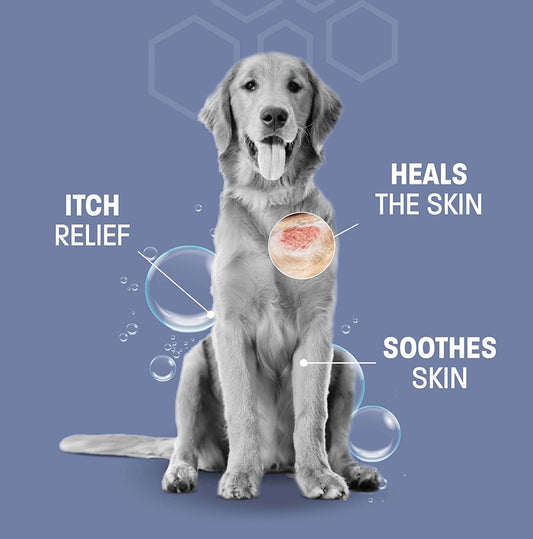
Puppies can suffer from various skin issues such as dryness, itching, and allergies. Identifying these problems early can help you choose a shampoo that addresses these specific needs. Hypoallergenic shampoos are often a good choice for puppies with sensitive skin.
Remember, one of the simplest ways to make sure your dog's skin and coat are getting everything needed is through diet. You'll want to include a variety of foods that support skin health.
Ingredients to Look for in Puppy Shampoo
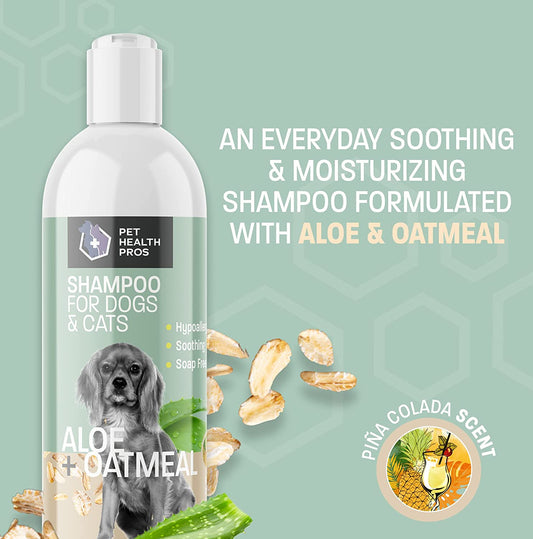
When it comes to finding the right shampoo for your dog, it's important to know what ingredients to look for. Naturally-derived ingredients are always a good choice. Some common ones in dog shampoo include: aloe vera, oatmeal, and chamomile. These ingredients are gentle on your puppy's skin and help keep their coat shiny and healthy.
Natural vs. Synthetic Ingredients
Natural ingredients are often better for your puppy's skin. They are less likely to cause irritation and are usually more environmentally friendly. Synthetic ingredients, on the other hand, can sometimes cause allergic reactions or dry out your puppy's skin. Always check the label to see what kind of ingredients are in the shampoo.
Benefits of Hypoallergenic Formulas
Hypoallergenic shampoos are designed to be gentle and are less likely to cause allergic reactions. They are a great choice for puppies with sensitive skin. These shampoos often contain soothing ingredients like oatmeal and aloe vera, which can help reduce itching and redness.
Essential Oils and Their Effects
Essential oils can be a great addition to puppy shampoos. They not only add a pleasant scent but also offer various benefits. For example, lavender oil can help calm your puppy, while tea tree oil has natural antibacterial properties. However, it's important to use these oils in moderation, as too much can be harmful to your puppy.
Always consult your vet before trying a new shampoo, especially if your puppy has sensitive skin or allergies.
How to Read Puppy Shampoo Labels
Decoding Ingredient Lists
When choosing a puppy shampoo, it's important to understand the ingredient list. Ingredients are listed in order of quantity, from highest to lowest. Look for natural ingredients like oatmeal and aloe vera, which are gentle on your puppy's skin. Avoid shampoos with long lists of chemicals you can't pronounce.
Identifying Harmful Chemicals
Some chemicals can be harmful to your puppy. Watch out for sulfates, parabens, and artificial fragrances. These can cause skin irritation and other issues. Instead, opt for shampoos labeled as tear-free and hypoallergenic.
Understanding pH Balance
Puppies have a different skin pH than humans. A shampoo with the right pH balance is crucial to avoid skin problems. Look for shampoos specifically formulated for puppies, as they are designed to match their skin's pH level.
Reading the label carefully ensures you choose the best shampoo for your puppy's sensitive skin.
Top Puppy Shampoo Brands Recommended by Veterinarians
Criteria for Vet Recommendations
Veterinarians recommend puppy shampoos based on several key factors. Safety and effectiveness are at the top of the list. They look for shampoos that are gentle on a puppy's sensitive skin and free from harmful chemicals. Additionally, the presence of natural ingredients and hypoallergenic formulas is highly valued. Vets also consider the brand's reputation and customer feedback.
Popular Vet-Approved Brands
Here are some of the top puppy shampoo brands that veterinarians often recommend:
- Pet Health Pros: Known for their expertly crafted solutions and high-quality ingredients.
- Earthbath: Offers natural and organic shampoos that are gentle on the skin.
- Burt's Bees: Provides shampoos with natural ingredients and a focus on safety.
- Vet's Best: Combines natural ingredients with scientific research for effective results.
- TropiClean: Known for their gentle, natural formulas that are safe for puppies.
Customer Reviews and Ratings
Customer reviews and ratings play a significant role in determining the best puppy shampoos. Many pet owners share their experiences online, providing valuable insights into the effectiveness and safety of different products. High ratings and positive reviews often indicate a reliable and trustworthy shampoo. It's always a good idea to read through customer feedback before making a purchase.
When choosing a puppy shampoo, always consider your puppy's specific needs and consult with your veterinarian for personalized recommendations.
DIY Puppy Shampoo: Pros and Cons
Benefits of Homemade Shampoos
Making your own puppy shampoo can be a great way to ensure that only safe and natural ingredients touch your puppy's skin. You have full control over what goes into the shampoo, which can be especially important if your puppy has sensitive skin or allergies. Additionally, DIY shampoos can be more cost-effective than store-bought options.
Common DIY Ingredients
When creating a homemade shampoo, you might use ingredients like oatmeal, which is soothing for the skin, or coconut oil, known for its moisturizing properties. Essential oils like lavender or chamomile can also be added for a pleasant scent and additional skin benefits. Here's a simple table of common ingredients and their benefits:
| Ingredient | Benefit |
|---|---|
| Oatmeal | Soothes and moisturizes skin |
| Coconut Oil | Hydrates and nourishes coat |
| Lavender Oil | Calming and anti-inflammatory |
| Chamomile Oil | Soothes irritated skin |
Potential Risks and Precautions
While making your own shampoo can be beneficial, there are also risks involved. Some ingredients, even natural ones, can be harmful to puppies if not used correctly. For example, certain essential oils can be toxic if ingested or used in high concentrations. Always do thorough research and consult your vet before trying a new recipe.
Remember, even natural ingredients can cause reactions. Always test a small amount on your puppy's skin first to ensure there are no adverse effects.
Tips for Bathing Your Puppy Safely and Effectively
Preparing for the Bath
Before you start, gather all the supplies you'll need: puppy shampoo, a cup for rinsing, towels, and a brush. Make sure the water temperature is lukewarm to avoid shocking your puppy. It's also a good idea to brush your puppy's coat to remove any tangles or loose fur.
Step-by-Step Bathing Guide
- Wet your puppy's coat thoroughly using a cup or a gentle spray nozzle.
- Apply a small amount of puppy shampoo and lather it well, avoiding the eyes and ears.
- Rinse the shampoo out completely to prevent any residue that could irritate the skin.
- Gently towel-dry your puppy, being careful not to rub too hard.
- Use a brush to detangle the fur and remove any remaining loose hair.
Post-Bath Care and Grooming
After the bath, make sure your puppy is completely dry to avoid any skin issues. You can use a blow dryer on a low setting if your puppy is comfortable with it. Regular grooming helps keep your puppy's coat healthy and shiny. Check for any signs of skin irritation or dryness and consult your vet if you notice anything unusual.
Bathing your puppy can be a fun bonding experience. Just be patient and gentle, and your puppy will soon look forward to bath time.
Special Considerations for Puppies with Allergies
Puppies can develop allergies just like humans. Common signs include excessive scratching, licking, and red or inflamed skin. It's crucial to identify these symptoms early to prevent further discomfort and complications.
When selecting a shampoo for an allergic puppy, opt for hypoallergenic formulas. These shampoos are designed to be gentle on sensitive skin and free from harsh chemicals. Look for products with natural ingredients like oatmeal and aloe vera, which can soothe irritated skin.
- Regular Vet Visits: Ensure your puppy gets regular check-ups to monitor their skin condition.
- Dietary Considerations: Sometimes, food allergies can manifest as skin issues. Consult your vet about a suitable diet.
- Environment Control: Keep your home clean and free from potential allergens like dust and pollen.
Taking extra care of a puppy with allergies can significantly improve their quality of life. Always consult with your veterinarian for the best care practices.
Caring for a puppy with allergies can be challenging, but it doesn't have to be. Our website offers a range of products specifically designed to help manage your puppy's allergies and keep them comfortable. From soothing shampoos to gentle ear wipes, we have everything you need. Visit our website today to explore our full selection and find the perfect solution for your furry friend.
Conclusion
Choosing the right shampoo for your puppy is crucial for their health and happiness. By considering factors like your puppy's skin type, any allergies, and the ingredients in the shampoo, you can make an informed decision. Always look for products that are specifically designed for puppies and avoid harsh chemicals. Remember, a clean puppy is a happy puppy, and using the right shampoo can make bath time a pleasant experience for both you and your furry friend. With the right knowledge and a bit of research, you can ensure your puppy's coat stays shiny and healthy.
Frequently Asked Questions
How often should I bathe my puppy?
For most puppies, a bath every 3-4 weeks is enough. However, it depends on their coat type and activity level.
Can I use human shampoo on my puppy?
No, human shampoo can be too harsh for a puppy's sensitive skin. Always use a shampoo made for puppies.
What ingredients should I avoid in puppy shampoo?
Stay away from shampoos with artificial fragrances, sulfates, and parabens. These can irritate your puppy's skin.
Are natural ingredients better for my puppy?
Natural ingredients are often gentler on a puppy's skin. Look for shampoos with ingredients like oatmeal, aloe vera, and chamomile.
How do I know if my puppy is allergic to a shampoo?
Watch for signs like itching, redness, or hives after using the shampoo. If you notice any of these, stop using it and consult your vet.
What's the best way to dry my puppy after a bath?
Use a soft towel to gently pat your puppy dry. Avoid using a hairdryer as it can scare your puppy and dry out their skin.