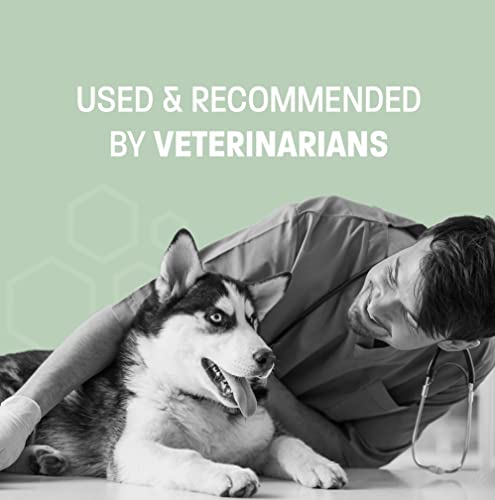

Finding the right vet for your senior dog can be a bit challenging. Older dogs need special care, and it's important to find a vet who understands their unique needs. This guide will help you find the best senior dog vet near you by covering all the important steps.
Key Takeaways
- Look for local vets and read online reviews to see what others say about them.
- Ask friends, family, or neighbors for their recommendations on good vets.
- Check the credentials and certifications of the vets you are considering.
- Visit the clinics to see if they are clean and well-kept.
- Make sure the vet has experience with senior dogs and offers the services your dog needs.
1. Researching Local Veterinarians
Finding the right vet for your senior dog starts with thorough research. Begin by making a list of local veterinarians. You can use online directories, social media, and community boards to find options nearby. It's crucial to choose a veterinarian who is willing to create a personalized care plan for your dog. This plan should include regular check-ups, vaccinations, preventative treatments, nutrition, and exercise for a healthier life.
Next, visit the websites of the veterinarians on your list. Look for information about their services, staff, and experience. Pay attention to any specializations in senior dog care. This can give you an idea of their expertise and whether they might be a good fit for your dog's needs.
Consider making a few phone calls to the clinics. Ask about their experience with senior dogs and what kind of care they recommend. This can help you gauge their knowledge and willingness to provide the best care for your furry friend.
Taking the time to research and ask questions can make a big difference in finding the best care for your senior dog. Don't rush this step; your dog's health and happiness depend on it.
2. Reading Online Reviews
When looking for a vet for your senior dog, reading online reviews can be very helpful. These reviews give you a sense of what other pet owners think about a particular vet. Pay attention to both positive and negative reviews to get a balanced view. Look for comments about the vet's experience, the clinic's cleanliness, and the staff's friendliness.
- Check multiple review sites like Google, Yelp, and specialized pet care forums.
- Look for reviews that mention the importance of vet visits and key questions for dog health.
- Be cautious of reviews that seem overly positive or negative, as they might not be genuine.
Reading online reviews can save you time and help you make a more informed decision about the best vet for your senior dog.
3. Asking for Recommendations
When looking for a vet for your senior dog, asking for recommendations can be very helpful. Start by talking to friends, family, and neighbors who have pets. They can share their experiences and suggest good vets. You can also ask people at your local dog park or pet store. They might know of vets who are good with older dogs.
Another great resource is your current vet. If you are moving or need a new vet, your current vet might know someone who specializes in senior dog care. Don't hesitate to ask for their advice.
Online pet communities and social media groups can also be useful. Many pet owners share their experiences and can recommend vets. Just remember to check multiple sources to get a well-rounded view.
Understanding the impact of your dog's diet is crucial for their health. Consult a vet for personalized recommendations and make necessary adjustments for optimal nutrition and well-being.
4. Checking Credentials and Certifications
When looking for a vet for your senior dog, it's important to check their credentials and certifications. This ensures that the vet has the proper training and knowledge to care for your older pet.
Start by verifying that the vet is licensed to practice in your state. You can usually find this information on the state's veterinary board website. Additionally, look for any special certifications in geriatric pet care or related fields.
Consider the following steps:
- Verify Licenses: Check if the vet is licensed in your state.
- Look for Special Certifications: See if the vet has additional training in senior dog care.
- Check for Memberships: Find out if the vet is a member of professional organizations like the American Veterinary Medical Association (AVMA).
Ensuring your vet has the right credentials can give you peace of mind that your senior dog is in good hands.
5. Visiting Veterinary Clinics
When looking for the best senior dog vet, it's important to visit the clinics in person. This helps you get a feel for the place and see if it's a good fit for your dog. Make sure to observe how clean and organized the clinic is. A tidy clinic usually means they take good care of their patients.
Take note of the staff's friendliness and willingness to answer your questions. Friendly staff can make a big difference in your dog's experience. Also, check if the clinic has separate waiting areas for dogs and cats. This can help reduce stress for your senior dog.
While you're there, ask about the top 5 things to discuss with your vet during your dog's check-up. These include diet, exercise, vaccinations, behavior, and geriatric care. Knowing what to talk about can help keep your dog healthy.
Visiting the clinic gives you a chance to see if it's the right place for your senior dog. It's a good idea to visit a few clinics before making a decision.
6. Evaluating Clinic Facilities
When choosing a vet for your senior dog, it's important to look at the clinic's facilities. A clean and well-organized clinic shows that the staff cares about their work and the animals they treat. Make sure the clinic has separate areas for sick and healthy pets to prevent the spread of diseases.
Check if the clinic has modern equipment for diagnostics and treatment. This includes X-ray machines, ultrasound, and lab facilities. A well-equipped clinic can provide better care for your senior dog.
Also, look at the waiting area. It should be comfortable and have enough space for pets and their owners. A good clinic will also have a quiet area for pets that are anxious or stressed.
Lastly, ask about the clinic's emergency services. It's important to know if they can handle emergencies, especially for senior dogs who might need urgent care.
Taking the time to evaluate the clinic's facilities can help ensure your senior dog gets the best care possible.
7. Inquiring About Specialized Senior Dog Care
When looking for a vet for your senior dog, it's crucial to ask about specialized care options. Senior dogs have unique needs that differ from younger dogs. Make sure the vet is knowledgeable about these needs and can provide tailored care.
Some important areas to discuss include:
- Nutrition: Senior dogs often require different diets to maintain their health. Ask if the vet can recommend specific foods or supplements.
- Exercise: Older dogs may need modified exercise routines. Check if the vet can suggest suitable activities.
- Vet check-ups: Regular check-ups are vital for senior dogs. Ensure the vet offers frequent and thorough exams.
- Mental wellbeing: Senior dogs can experience cognitive decline. Inquire if the vet has strategies to keep your dog's mind active.
Staying informed about advances in senior dog care is essential. This includes understanding the latest in nutrition, exercise, and mental wellbeing for your aging pet.
8. Understanding the Range of Services Offered
When choosing a vet for your senior dog, it's important to understand the range of services they offer. A comprehensive vet clinic should provide a variety of services to meet your dog's needs.
- Routine Check-ups: Regular physical exams are crucial for monitoring your dog's health.
- Vaccinations: Keeping up with vaccinations helps prevent diseases.
- Parasite Control: This includes treatments for fleas, ticks, and worms.
- Blood Work: Regular blood tests can catch health issues early.
Additionally, some clinics offer specialized services for senior dogs, such as:
- Nutritional Counseling: Tailored diet plans to keep your dog healthy.
- Pain Management: Treatments to help manage arthritis or other chronic pain.
- Dental Care: Regular cleanings and check-ups to prevent dental disease.
It's essential to know the importance of annual vet exams for your dog's health. These exams often include a physical exam, vaccinations, parasite control, and blood work.
By understanding the services offered, you can ensure your senior dog gets the best care possible.
9. Assessing the Vet's Experience with Senior Dogs
When looking for a vet for your senior dog, it's important to check their experience with older pets. Senior dogs have unique needs that require special attention and care. Ask the vet how long they have been treating senior dogs and what specific training they have in this area.
You can also ask about the types of senior dogs they have treated. For example, have they worked with breeds like the Cavalier King Charles Spaniel or the Golden Retriever? Knowing this can give you confidence in their ability to handle your pet's needs.
Another good idea is to ask for case studies or examples of how they have helped senior dogs in the past. This can give you a better idea of their expertise and success in treating older pets.
A vet with a lot of experience with senior dogs can make a big difference in your pet's quality of life. They can help manage age-related issues and keep your dog happy and healthy for as long as possible.
10. Comparing Costs and Payment Options
When choosing a vet for your senior dog, it's important to compare costs and payment options. Veterinary care can be expensive, so knowing what to expect can help you plan better. Start by asking for a detailed price list from each clinic. This list should include common services like check-ups, vaccinations, and any specialized care your senior dog might need.
Some clinics offer payment plans or accept pet insurance. It's a good idea to ask about these options. Payment plans can make it easier to manage large bills by spreading the cost over several months. Pet insurance can also help cover unexpected expenses.
Another thing to consider is the availability of discounts. Some clinics offer discounts for senior pets or for multiple pets from the same household. Don't hesitate to ask about any available discounts.
Taking the time to compare costs and payment options can save you money and ensure your senior dog gets the best care possible.
When it comes to comparing costs and payment options for your pet's health needs, it's important to find the best value without sacrificing quality. At Pet Health Pros, we offer a range of affordable, high-quality products that are trusted by vets and made in the USA. Ready to explore more? Visit our website to discover the best options for your furry friend.
Conclusion
Finding the right vet for your senior dog can be a journey, but it's worth it. By considering factors like the vet's experience with older dogs, the services they offer, and their location, you can make a well-informed choice. Remember to ask questions and trust your instincts. Your furry friend deserves the best care possible in their golden years. With the right vet, you can ensure they stay happy and healthy for as long as possible.
Frequently Asked Questions
How do I find a good vet for my senior dog?
Start by researching local veterinarians, reading online reviews, and asking for recommendations from friends or family. Check their credentials and visit the clinics to get a feel for the place.
Why are online reviews important?
Online reviews give you an idea of other people's experiences with the vet. They can help you learn about the quality of care and service the vet provides.
What should I look for when visiting a vet clinic?
Look at the cleanliness of the clinic, the friendliness of the staff, and the equipment they use. It's also good to see how they handle animals and if the place feels welcoming.
Is specialized care important for senior dogs?
Yes, senior dogs often have different health needs compared to younger dogs. Specialized care ensures they get the best treatment for their age-related conditions.
How can I tell if a vet has experience with senior dogs?
Ask the vet about their experience with senior dogs. You can also look for any special certifications or training they have in senior pet care.
What should I consider when comparing costs?
Consider what services are included in the cost, any payment plans they offer, and if they accept pet insurance. It's important to find a balance between cost and quality of care.