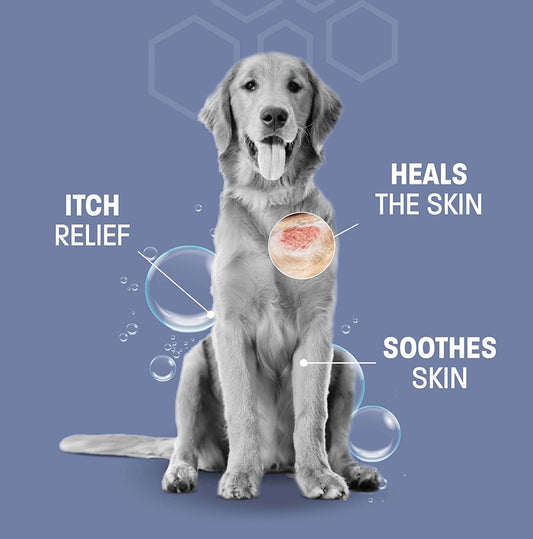

Taking care of your dog's skin is very important. Just like humans, dogs can have skin problems too. These issues can make your dog uncomfortable and unhappy. Learning about your dog's skin and how to care for it can help keep your furry friend healthy and happy.
Key Takeaways
- Understand common skin issues in dogs to help prevent and treat them.
- Regular skin checks can catch problems early before they get worse.
- A good daily skin care routine includes proper bathing, the right shampoo, and regular grooming.
- Nutrition plays a big role in skin health; feed your dog a balanced diet.
- Seasonal changes can affect your dog's skin, so adjust care routines accordingly.
Understanding Your Dog's Skin
Common Skin Issues in Dogs
Dogs can suffer from a variety of skin problems, including allergies, infections, and parasites. Allergies are often caused by food, environmental factors, or fleas. Infections can be bacterial or fungal, while parasites like mites and ticks can cause severe itching and discomfort.
The Importance of Regular Skin Checks
Regular skin checks are crucial for maintaining your dog's health. By examining your dog's skin frequently, you can spot issues early and seek treatment before they become serious. Look for redness, swelling, or unusual bumps.
How to Identify Skin Problems Early
Early detection of skin problems can prevent more severe health issues. Watch for signs like excessive scratching, licking, or biting. Also, pay attention to any changes in your dog's coat, such as thinning hair or bald spots.
Regular skin checks and early detection are key to keeping your dog's skin healthy and preventing more serious conditions.
Daily Skin Care Routine for Dogs
Bathing Your Dog Properly
Regular baths are essential for keeping your dog's skin and coat healthy. Always use lukewarm water and ensure you rinse thoroughly to remove all soap residues. Bathing too often can strip natural oils, so aim for once a month unless your vet advises otherwise.
Choosing the Right Shampoo and Conditioner
Selecting the right shampoo and conditioner is crucial. Opt for products specifically designed for dogs, as human shampoos can be too harsh. Look for hypoallergenic options if your dog has sensitive skin. Avoid products with artificial fragrances and dyes.
Brushing and Grooming Tips
Brushing your dog regularly helps remove dead skin cells and distributes natural oils. Use a brush suitable for your dog's coat type. For long-haired breeds, daily brushing is recommended, while short-haired breeds may only need brushing once a week.
Consistent grooming not only keeps your dog looking good but also helps in early detection of skin issues.
Nutrition and Its Impact on Dog's Skin Health
Essential Nutrients for Healthy Skin
A balanced diet is crucial for your dog's skin health. Proteins are the building blocks of skin cells, so make sure your dog gets enough high-quality protein. Omega-3 and Omega-6 fatty acids are also important as they help maintain the skin's moisture barrier. Vitamins like A, E, and B-complex support skin repair and growth.
Foods to Avoid
Certain foods can trigger skin problems in dogs. Avoid feeding your dog foods that are high in sugar or artificial additives. These can lead to inflammation and worsen skin conditions. Some dogs are also allergic to common ingredients like wheat, soy, and corn. It's best to consult your vet to identify any specific food allergies.
Supplements for Skin Health
Supplements can be a great addition to your dog's diet to improve skin health. Fish oil supplements are rich in Omega-3 fatty acids, which can reduce inflammation and promote a shiny coat. Probiotics can also help by improving gut health, which in turn can affect the skin positively. Always consult your vet before adding any supplements to your dog's diet.
Good nutrition is the foundation of healthy skin for your dog. Make sure to provide a balanced diet and consult your vet for personalized advice.
Seasonal Skin Care Tips
Protecting Your Dog's Skin in Summer
During the summer, it's crucial to protect your dog's skin from the sun and heat. Always provide plenty of fresh water and shade to prevent dehydration and overheating. Consider using a pet-safe sunscreen on areas with less fur, like the nose and ears. Regularly check for signs of sunburn or heat rash.
Winter Skin Care for Dogs
Winter can be harsh on your dog's skin, leading to dryness and irritation. Keep your dog hydrated and consider using a humidifier indoors to maintain moisture in the air. After walks, wipe your dog's paws to remove any salt or chemicals from the roads. Moisturizing balms can help keep their paw pads soft and crack-free.
Managing Allergies and Irritations
Allergies can flare up in any season, causing discomfort for your dog. Regularly clean your dog's bedding and vacuum your home to reduce allergens. If your dog shows signs of allergies, such as excessive scratching or licking, consult your vet for appropriate treatments. Over-the-counter antihistamines may help, but always check with your vet first.
Seasonal changes can significantly impact your dog's skin health. Being proactive with their care can prevent many common issues.
Recommended Skin Care Products for Dogs
When it comes to caring for your dog's skin, choosing the right products is essential. From shampoos and conditioners to moisturizers and balms, there are various options available to keep your furry friend's skin healthy and nourished. It's important to select products that are gentle and suitable for your dog's skin type. Effective moisturizers can help soothe dry skin, while natural remedies provide a gentle alternative for sensitive pups. Remember, tailored care is key when selecting skin care products for your dog.
When to Consult a Veterinarian
Signs of Serious Skin Conditions
It's crucial to know when your dog's skin issues need professional help. Consult a vet for persistent symptoms like constant itching, redness, or sores that don't heal. Other signs include hair loss, foul odor, and changes in skin color. If you notice any of these, it's time to seek expert advice.
How Vets Diagnose Skin Issues
Veterinarians use various methods to diagnose skin problems in dogs. They may start with a physical exam and ask about your dog's history. Tests like skin scrapings, blood tests, or allergy tests can help pinpoint the issue. This thorough approach ensures your dog gets the right treatment.
Treatment Options Available
Once the vet identifies the problem, they will suggest a treatment plan. This could include medications like antibiotics or antifungals, special shampoos, or dietary changes. In some cases, they might recommend topical treatments or even surgery. Following the vet's advice is key to your dog's recovery.
Regular check-ups can catch skin issues early, making treatment easier and more effective.
If your pet is showing unusual behavior or symptoms, it's important to seek advice from a veterinarian. Early detection can make a big difference in your pet's health. For more tips and products to keep your furry friend healthy, visit our website.
Conclusion
Taking care of your dog's skin is just as important as looking after their overall health. By following the tips and using the right products, you can help keep your dog's skin healthy and free from problems. Remember, a happy dog is a healthy dog. Regular grooming, a balanced diet, and proper hygiene are key to maintaining your dog's skin. Always consult your vet if you notice any unusual changes. With a little effort and attention, your furry friend can enjoy a comfortable and itch-free life.
Frequently Asked Questions
How often should I bathe my dog?
It's usually good to bathe your dog once a month. Some dogs might need it more often, but too many baths can dry out their skin.
What are common signs of skin problems in dogs?
Look for redness, itching, bumps, or hair loss. If your dog is scratching a lot, it could be a sign of a skin issue.
Can I use human shampoo on my dog?
No, human shampoo is not safe for dogs. It can be too harsh and upset their skin. Always use a shampoo made for dogs.
What foods are bad for my dog's skin?
Foods that are high in fillers or artificial ingredients can be bad for your dog's skin. Stick to high-quality dog food with natural ingredients.
Are there any home remedies for my dog's dry skin?
Yes, you can try coconut oil or oatmeal baths. These can help soothe and moisturize your dog's skin.
When should I take my dog to the vet for skin issues?
If you see signs like a lot of scratching, redness, or hair loss, it's a good idea to visit the vet. They can figure out what's wrong and suggest the best treatment.