
As a pet owner, ensuring the health and well-being of your furry friend is a top priority. Urinary Tract Infections (UTIs) in dogs can be a common yet distressing issue, but with the right knowledge and treatment options, you can effectively manage and prevent them. This article will guide you through understanding, preventing, and treating UTIs in dogs, offering insights into both home remedies and veterinary care.
Key Takeaways
- Understanding the symptoms and causes of UTIs in dogs is crucial for early detection and treatment.
- Preventative measures such as proper diet, hydration, and regular vet check-ups can significantly reduce the risk of UTIs.
- Home remedies, including natural supplements and proper hygiene, can complement veterinary treatments.
- Veterinary treatments often involve antibiotic therapy and may include prescription diets for comprehensive care.
- Long-term management and early detection play a vital role in preventing recurring UTIs and ensuring your dog's overall health.
Understanding UTIs in Dogs
Common Symptoms of UTIs in Dogs
Urinary Tract Infections (UTIs) in dogs can manifest through various symptoms. Frequent urination and straining to urinate are common signs. You might also notice blood in the urine or your dog licking its genital area more often than usual. Behavioral changes such as increased irritability or discomfort can also indicate a UTI.
Causes of UTIs in Dogs
UTIs in dogs are typically caused by bacteria entering the urinary tract. Factors such as poor hygiene, underlying health conditions, or a weakened immune system can increase the risk. Female dogs are more prone to UTIs due to their shorter urethra, which makes it easier for bacteria to travel to the bladder.
Diagnosing UTIs in Dogs
Diagnosing a UTI in dogs involves a visit to the veterinarian. The vet will likely perform a urinalysis to check for bacteria, blood, or crystals in the urine. In some cases, a urine culture may be necessary to identify the specific type of bacteria causing the infection. Early diagnosis and treatment are crucial to prevent complications.
It's essential to consult your vet if you suspect your dog has a UTI. Early intervention can prevent more severe health issues and ensure your pet's well-being.
Preventative Measures for UTIs
Dietary Considerations
A balanced diet is crucial for maintaining your dog's urinary health. High-quality dog food that is rich in essential nutrients can help prevent urinary tract infections (UTIs). Avoid foods with artificial additives and fillers, as they can irritate the urinary tract. Including cranberries or cranberry supplements in your dog's diet can also be beneficial, as they are known to support urinary health.
Hydration Importance
Proper hydration is essential for preventing UTIs in dogs. Ensure your dog has access to fresh, clean water at all times. Dehydration can lead to concentrated urine, which increases the risk of infection. Encourage your dog to drink more water by providing multiple water bowls around the house and adding water to their dry food.
Regular Vet Check-ups
Routine veterinary check-ups are vital for early detection and prevention of UTIs. During these visits, your vet can perform urine tests to check for any signs of infection. Regular check-ups also allow for timely adjustments to your dog's diet and lifestyle to maintain optimal urinary health.
Consistent preventative measures can significantly reduce the risk of UTIs in dogs, ensuring they lead a healthy and comfortable life.
Effective Home Remedies for UTIs
Natural Supplements
Natural supplements can be a beneficial addition to your dog's diet to help manage and prevent UTIs. Cranberry extract is known for its ability to prevent bacteria from adhering to the bladder wall. Additionally, probiotics can help maintain a healthy balance of bacteria in the gut, which can support overall urinary health.
Herbal Treatments
Herbal treatments such as uva ursi and marshmallow root have been traditionally used to support urinary tract health. These herbs can help soothe the urinary tract and reduce inflammation. Always consult with your veterinarian before starting any herbal treatments to ensure they are safe for your pet.
Proper Hygiene Practices
Maintaining proper hygiene is crucial in preventing UTIs in dogs. Regularly cleaning your dog's genital area can help reduce the risk of bacterial infections. Ensure that your dog has access to clean, fresh water at all times and encourage frequent urination to flush out any potential bacteria.
Proper hygiene and natural supplements can play a significant role in managing and preventing UTIs in dogs. Always consult with your veterinarian before starting any new treatment.
Veterinary Treatments for UTIs
Antibiotic Therapy
Antibiotic therapy is often the first line of defense against UTIs in dogs. Veterinarians typically prescribe antibiotics based on the specific bacteria causing the infection. It's crucial to complete the entire course of antibiotics to prevent recurrence and resistance. Regular follow-up tests may be necessary to ensure the infection is fully cleared.
Prescription Diets
Prescription diets can play a significant role in managing and preventing UTIs. These diets are formulated to alter the pH of the urine, making it less hospitable for bacteria. They often include ingredients that promote urinary tract health, such as cranberries and omega-3 fatty acids. Consult your vet to determine if a prescription diet is suitable for your dog.
Follow-up Care
Follow-up care is essential to ensure the effectiveness of the treatment and to monitor for any signs of recurrence. This may include additional urine tests and physical exams. Maintaining proper hygiene and ensuring your dog stays hydrated are also critical components of follow-up care.
Consistent follow-up care can significantly reduce the risk of recurrent UTIs and ensure your dog's long-term health.
Choosing the Right Products for UTI Prevention
Quality Ingredients to Look For
When selecting products to prevent UTIs in dogs, it's crucial to focus on the quality of ingredients. High-quality ingredients ensure the effectiveness and safety of the product. Look for products that include natural anti-inflammatory and antibacterial agents. Ingredients like cranberry extract, D-mannose, and probiotics can be particularly beneficial. These components help maintain a healthy urinary tract and prevent infections.
Recommended Brands
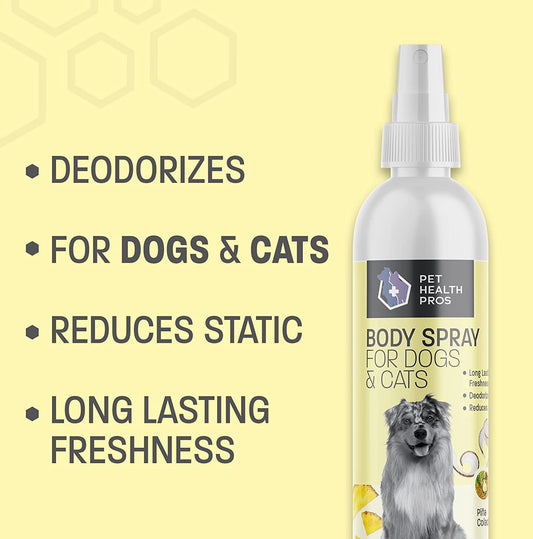
Several brands are known for their effective UTI prevention products. Pet Health Pros, for instance, offers a range of supplies crafted in collaboration with veterinarians. Their products are made with locally sourced, top-grade ingredients and come with a 100% satisfaction guarantee. Another reputable brand is Vet's Best, which provides natural and vet-formulated solutions. Always consult a vet for persistent symptoms, effective treatment, and top pet health products.
Customer Reviews and Testimonials
Customer reviews and testimonials can provide valuable insights into the effectiveness of UTI prevention products. Look for products with high ratings and positive feedback from other pet owners. Reviews often highlight the ease of use, noticeable improvements in pet health, and any potential side effects. Reading through these can help you make an informed decision and choose the best product for your dog's needs.
Ensuring your dog receives the best care involves not only choosing the right products but also staying informed about their health needs. Regular vet check-ups and a proactive approach can make a significant difference in preventing UTIs.
Long-term Management of UTIs
Managing UTIs in dogs over the long term requires a multifaceted approach. Routine monitoring is crucial to catch any signs of recurrence early. This involves regular check-ups and possibly urine tests to ensure your dog's urinary health is maintained.
Lifestyle Adjustments
Making certain lifestyle changes can significantly reduce the risk of UTIs. Ensure your dog has ample opportunities to urinate throughout the day, as holding urine for too long can contribute to infections. Additionally, maintaining a clean living environment helps prevent bacteria from causing infections.
Monitoring and Early Detection
Routine monitoring is essential for effectively managing recurrent UTIs. Regular vet visits and urine tests can help detect any issues before they become severe. Early detection allows for prompt treatment, reducing the risk of complications.
Supportive Therapies
Supportive therapies can play a significant role in managing UTIs. These may include dietary supplements that promote urinary health, such as cranberry extract or probiotics. Always consult your vet before starting any new supplement regimen for your dog.
Long-term management of UTIs in dogs is a continuous process that involves vigilance and proactive care. By staying attentive to your dog's needs and maintaining regular vet visits, you can help ensure their urinary health remains optimal.
When to Seek Immediate Veterinary Care
Recognizing Severe Symptoms
It's crucial to recognize when your dog is experiencing severe symptoms of a UTI. Signs such as blood in the urine, extreme lethargy, or persistent vomiting indicate that immediate veterinary care is necessary. Other severe symptoms include difficulty urinating, crying out in pain, and a noticeable increase in thirst.
Emergency Treatment Options
In emergency situations, your veterinarian may need to perform diagnostic tests such as blood work or ultrasounds to determine the severity of the UTI. Treatment options may include intravenous fluids, pain management, and antibiotics. Quick intervention can prevent complications and promote faster recovery.
Post-Emergency Care
After emergency treatment, follow-up care is essential to ensure your dog fully recovers. This may involve a course of antibiotics, dietary adjustments, and regular monitoring of your dog's urinary health. Consistent follow-up appointments with your vet will help catch any recurring issues early and maintain your dog's overall well-being.
Immediate veterinary care can be life-saving for dogs experiencing severe UTI symptoms. Always err on the side of caution and consult your vet if you notice any alarming signs.
If your pet is showing signs of severe distress, such as difficulty breathing, uncontrollable bleeding, or sudden paralysis, it's crucial to seek immediate veterinary care. For more tips on how to keep your pet healthy and happy, visit our website today.
Conclusion
In conclusion, understanding and effectively treating UTIs in dogs is crucial for every pet owner. By recognizing the symptoms early, seeking prompt veterinary care, and following through with the prescribed treatment, you can ensure your dog's health and comfort. Remember, prevention is always better than cure, so maintaining good hygiene and regular check-ups are essential. At Pet Health Pros, we are committed to providing superior, affordable pet health supplies, crafted in collaboration with veterinarians, to support the well-being of your furry companions. Trust in our expertise and dedication to keep your pets healthy and happy.
Frequently Asked Questions
What are the common symptoms of UTIs in dogs?
Common symptoms include frequent urination, straining to urinate, blood in urine, and licking around the urinary opening.
How can I prevent my dog from getting a UTI?
Preventative measures include proper hydration, a balanced diet, regular vet check-ups, and maintaining good hygiene practices.
Are there any effective home remedies for treating UTIs in dogs?
Yes, natural supplements, herbal treatments, and proper hygiene practices can be effective home remedies for treating UTIs in dogs.
When should I seek immediate veterinary care for my dog's UTI?
Immediate veterinary care should be sought if your dog shows severe symptoms such as inability to urinate, extreme pain, or blood in the urine.
What are the common causes of UTIs in dogs?
Common causes include bacterial infections, urinary stones, and underlying health conditions like diabetes.
Can diet impact my dog's risk of developing a UTI?
Yes, a balanced diet that promotes urinary health can reduce the risk of UTIs. Consult your vet for dietary recommendations.