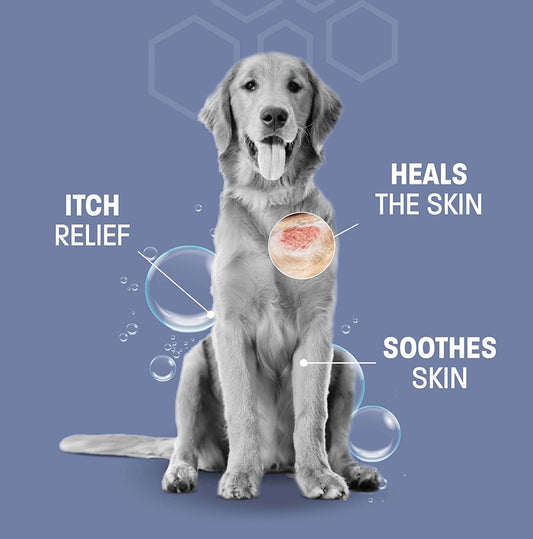

Every dog owner wants their furry friend to be happy and healthy. One important part of a dog's health is its skin and coat. Just like humans, dogs can have different skin types and issues. Knowing how to care for your dog's skin can help prevent problems and keep them comfortable.
Key Takeaways
- Understanding your dog's skin and coat is the first step to proper care.
- Look out for signs of skin problems like itching or redness.
- A good daily skin care routine includes regular bathing and brushing.
- Nutrition plays a big role in your dog's skin health.
- Natural remedies can be helpful, but always check with your vet first.
Understanding Your Dog's Skin and Coat
The Anatomy of Canine Skin
Your dog's skin is the largest organ of their body, serving as a barrier against the environment. It consists of three layers: the epidermis, dermis, and subcutaneous tissue. The epidermis is the outermost layer, providing a waterproof barrier. The dermis contains hair follicles, blood vessels, and nerves, while the subcutaneous tissue stores fat and helps regulate temperature.
Common Skin Types in Dogs
Dogs can have different skin types, just like humans. These include normal, oily, dry, and sensitive skin. Knowing your dog's skin type can help you choose the right care routine. For instance, dogs with oily skin may need more frequent baths, while those with dry skin might benefit from moisturizing products.
How Coat Type Affects Skin Health
The type of coat your dog has can significantly impact their skin health. Dogs with double coats, like Huskies, have a dense undercoat that can trap moisture and lead to skin issues if not properly groomed. On the other hand, dogs with single coats, like Greyhounds, have less protection and may be more prone to cuts and scrapes. Regular grooming is essential to maintain a healthy coat and skin.
Understanding your dog's skin and coat is crucial for their overall health. Proper care can prevent many common issues and keep your pet comfortable and happy.
Identifying Common Skin Issues in Dogs
Signs of Skin Problems
Dogs can show various signs when they have skin issues. Itching and scratching are common indicators. You might also notice redness, swelling, or hair loss. If your dog is constantly licking or biting a specific area, it could be a sign of a skin problem. Pay attention to any unusual odors coming from your dog's skin as well.
Common Skin Conditions
There are several skin conditions that dogs can suffer from. These include:
- Allergies: Dogs can be allergic to food, pollen, or even dust. The link between allergies and skin problems in dogs is significant.
- Infections: Bacterial or fungal infections can cause severe discomfort.
- Parasites: Fleas, ticks, and mites are common culprits.
- Hot Spots: These are red, inflamed areas that can appear suddenly.
When to Consult a Veterinarian
If you notice persistent skin issues, it's crucial to consult a veterinarian. They can provide a proper diagnosis and treatment plan. Understanding canine allergies, triggers, and management strategies is essential for maintaining your dog's skin health. Don't wait too long, as untreated skin problems can lead to more serious health issues.
Regular check-ups can help catch skin problems early, ensuring your dog stays healthy and comfortable.
Daily Skin Care Routine for Dogs
Bathing Your Dog
Regular baths are essential for maintaining your dog's skin health. Use a gentle, dog-specific shampoo to avoid irritating their skin. The frequency of baths depends on your dog's breed and activity level, but generally, once a month is a good rule of thumb.
Brushing and Grooming
Brushing your dog not only keeps their coat looking good but also helps distribute natural oils that keep their skin healthy. Aim to brush your dog at least once a week. For dogs with longer coats, more frequent brushing may be necessary to prevent matting and tangles.
Choosing the Right Products
Selecting the right grooming products is crucial. Look for shampoos and conditioners that are free from harsh chemicals and are specifically formulated for dogs. Hypoallergenic products are a great choice for dogs with sensitive skin. Always read the labels to ensure the products meet your dog's specific needs.
A consistent grooming routine can significantly improve your dog's skin and coat health, making them look and feel their best.
Nutrition and Its Impact on Skin Health
Essential Nutrients for Healthy Skin
A balanced diet is crucial for your dog's skin health. Proteins are the building blocks of skin cells, while fatty acids like Omega-3 and Omega-6 help maintain a shiny coat. Vitamins such as A, E, and B-complex are also essential for skin repair and growth. Make sure your dog's diet includes these nutrients to keep their skin in top condition.
Dietary Supplements
Sometimes, regular dog food might not provide all the necessary nutrients. In such cases, dietary supplements can be beneficial. Fish oil supplements are rich in Omega-3 fatty acids, which can improve skin health and reduce inflammation. Always consult your veterinarian before adding any supplements to your dog's diet.
Foods to Avoid
Certain foods can negatively impact your dog's skin health. Avoid feeding your dog foods high in sugar and artificial additives, as these can lead to skin problems. Additionally, some dogs may be allergic to specific ingredients like wheat or soy, which can cause skin irritations. Always monitor your dog for any adverse reactions when introducing new foods.
Preventing Skin Problems in Dogs
Environmental Factors
Environmental factors play a big role in your dog's skin health. Keeping your dog's living area clean can help prevent many skin issues. Regularly wash their bedding and vacuum areas where they spend a lot of time. Also, be mindful of the weather; extreme temperatures can affect your dog's skin. In winter, the air is dry, which can lead to dry skin. In summer, too much sun can cause sunburn. Always provide shade and fresh water.
Regular Check-ups
Regular vet check-ups are crucial for maintaining your dog's skin health. During these visits, your vet can spot early signs of skin problems and recommend tailored care. This is especially important for dogs with sensitive skin or those prone to allergies. Don't wait for a problem to arise; preventive care is key.
Allergy Management
Allergies are a common cause of skin problems in dogs. Identifying and managing these allergies can make a big difference. Common allergens include certain foods, pollen, and flea bites. Your vet can help you identify what your dog is allergic to and suggest ways to avoid these triggers. Sometimes, a special diet or medication may be needed to keep allergies under control.
Prevention is always better than cure. By taking these steps, you can help ensure your dog stays happy and healthy.
Natural Remedies for Dog Skin Care
Herbal Treatments
Herbal treatments can be a gentle way to care for your dog's skin. Aloe vera is known for its soothing properties and can help with minor irritations. Calendula is another herb that can aid in healing and reducing inflammation. Always consult your vet before trying new treatments.
Essential Oils
Essential oils like lavender and chamomile can be beneficial for your dog's skin. They have calming effects and can reduce itching. However, it's crucial to dilute them properly and use them sparingly. Never apply essential oils directly to your dog's skin without proper guidance.
Homemade Skin Care Solutions
Creating homemade skin care solutions can be both fun and effective. Oatmeal baths are a popular choice for relieving itchy skin. Simply grind oatmeal into a fine powder and mix it with warm water for a soothing bath. Coconut oil can also be used as a moisturizer to keep your dog's skin hydrated.
Natural remedies can be a great addition to your dog's skin care routine, but always consult with your vet to ensure they are safe and appropriate for your pet's specific needs.
Taking care of your dog's skin doesn't have to be hard. Natural remedies can help soothe itchy skin and keep your furry friend happy. From aloe vera to oatmeal baths, there are many simple solutions you can try at home. Want to learn more? Visit our website for tips and products that can make a difference.
Conclusion
Taking care of your dog's skin is not just about keeping them looking good; it's about ensuring their overall health and happiness. By understanding the basics of dog skin care, recognizing common skin problems, and knowing when to seek professional help, you can make a big difference in your pet's life. Remember, a healthy dog is a happy dog, and your efforts in maintaining their skin health will go a long way in keeping them comfortable and content. So, keep learning, stay observant, and always prioritize your furry friend's well-being.
Frequently Asked Questions
How often should I bathe my dog?
It depends on your dog's breed and skin type, but generally, bathing once a month is a good rule of thumb.
What are some signs of skin problems in dogs?
Look for redness, itching, hair loss, or flaky skin. If you notice these signs, consult your vet.
Can my dog's diet affect their skin health?
Yes, a balanced diet with the right nutrients can help keep your dog's skin healthy. Poor nutrition can lead to skin issues.
Are there natural remedies for dog skin care?
Yes, you can use herbal treatments, essential oils, and homemade solutions, but always check with your vet first.
What should I do if my dog has a skin allergy?
Consult your vet for a proper diagnosis and treatment plan. Managing your dog's environment and diet can also help.
Is it necessary to use special grooming products for dogs?
Yes, using products specifically made for dogs ensures they are safe and effective for your pet's skin and coat.