
Choosing the right antifungal shampoo for your dog can be a game-changer for their health. Fungal infections are common in dogs and can cause a lot of discomfort. Knowing what to look for in a shampoo and how to use it can make a big difference. This guide will help you understand fungal infections, pick the best shampoo, and keep your dog happy and healthy.
Key Takeaways
- Fungal infections in dogs are common and can cause discomfort.
- Look for shampoos with active ingredients that fight fungi effectively.
- Natural ingredients can be a good choice but know the pros and cons of both natural and synthetic options.
- Proper use of antifungal shampoo is crucial for the best results.
- Regular vet visits and good hygiene can prevent fungal infections.
Understanding Fungal Infections in Dogs
Common Types of Fungal Infections
Fungal infections in dogs can be caused by various types of fungi. The most common ones include ringworm, yeast infections, and aspergillosis. Ringworm is a highly contagious fungal infection that affects the skin, hair, and nails. Yeast infections, often found in the ears and paws, can cause significant discomfort for your furry friend. Aspergillosis, although less common, can lead to serious respiratory issues.
Symptoms to Watch For
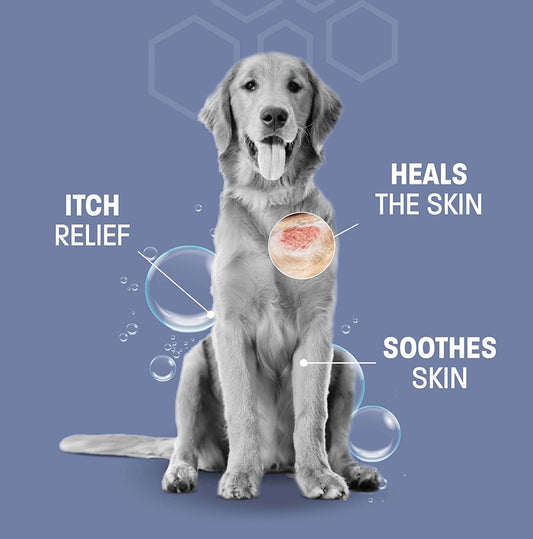
Recognizing the symptoms of fungal infections early can make a big difference in treatment. Common signs include itching, redness, and flaky skin. You might also notice hair loss, especially in areas like the paws and ears. In severe cases, your dog may develop sores or lesions. If you see any of these symptoms, it's important to consult your vet as soon as possible.
Importance of Early Detection
Early detection of fungal infections is crucial for effective treatment. Catching the infection early can prevent it from spreading and causing more serious health issues. Regularly checking your dog's skin, ears, and paws can help you spot any signs of infection early. Maintaining good hygiene and regular vet check-ups are also key in preventing fungal infections.
Key Ingredients to Look for in Antifungal Dog Shampoos
Natural vs. Synthetic Ingredients
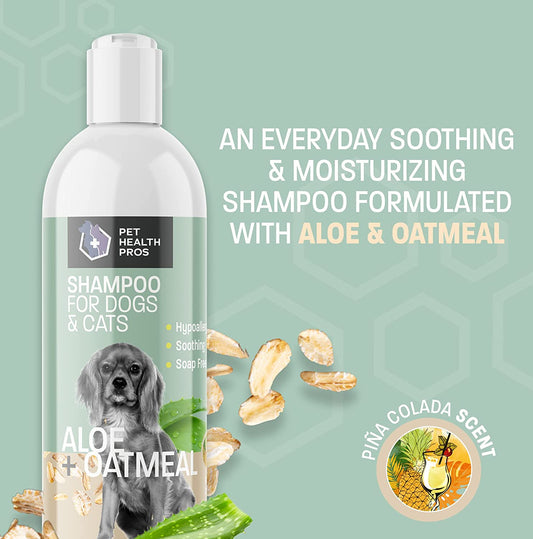
When choosing an antifungal dog shampoo, it's important to understand the difference between natural and synthetic ingredients. Natural ingredients often include essential oils like tea tree oil and aloe vera, which are known for their soothing and healing properties. On the other hand, synthetic ingredients might include chemicals like miconazole and ketoconazole, which are effective but can sometimes cause irritation. It's crucial to read the label and know what you're applying to your dog's skin.
Benefits of Active Ingredients
Active ingredients in antifungal shampoos are what make them effective. For instance, miconazole and ketoconazole are powerful antifungal agents that can help eliminate fungal infections quickly. Tea tree oil and aloe vera not only fight fungi but also soothe the skin, reducing itching and redness. These ingredients work together to provide relief and promote healing.
Potential Side Effects
While antifungal shampoos are generally safe, they can have side effects. Some dogs may experience skin irritation, redness, or itching due to certain ingredients. It's always a good idea to do a patch test before using a new shampoo extensively. If your dog shows signs of discomfort, discontinue use and consult your vet.
Always consult your veterinarian before starting any new treatment for your dog. They can provide guidance on the best products and how to use them safely.
How to Properly Use Antifungal Dog Shampoo
Step-by-Step Application Guide
Using antifungal dog shampoo correctly is crucial for its effectiveness. Gently apply the shampoo during a bath, lather it well while avoiding eyes and mucous membranes, and then rinse thoroughly to ensure all residue is removed. Follow these steps for the best results:
- Wet your dog's coat completely with warm water.
- Apply the shampoo evenly across the body.
- Massage the shampoo into the skin, focusing on affected areas.
- Let the shampoo sit for the recommended time on the label.
- Rinse thoroughly until the water runs clear.
- Dry your dog with a clean towel.
Frequency of Use
The frequency of using antifungal dog shampoo depends on the severity of the infection and the product's instructions. Generally, it's safe to use the shampoo once or twice a week. Always follow your vet's advice and the shampoo's guidelines to avoid overuse, which can lead to skin irritation.
Tips for Best Results
For optimal results, combine the use of antifungal shampoo with other treatments as recommended by your vet. Ensure your dog is comfortable during baths to reduce stress. Regularly clean your dog's bedding and living areas to prevent reinfection. Consistency is key, so stick to the treatment schedule for the best outcome.
Proper use of antifungal dog shampoo can significantly improve your dog's skin health and comfort. Always consult your vet for personalized advice and follow the product instructions carefully.
Top Antifungal Dog Shampoos on the Market
Highly Recommended Brands
When it comes to keeping your dog's skin healthy, choosing the right antifungal shampoo is crucial. Some of the top brands include Vet's Best, Curaseb, and Pet MD. These shampoos are known for their effectiveness in treating fungal infections and are highly rated by pet owners.
Customer Reviews and Ratings
Customer feedback is a great way to gauge the effectiveness of a product. Vet's Best Antifungal Shampoo, for example, has received numerous positive reviews for its ability to soothe irritated skin and eliminate fungal infections. Curaseb is also praised for its quick results and pleasant scent. Pet MD is often highlighted for its gentle formula, making it suitable for dogs with sensitive skin.
Where to Buy
You can find these top-rated antifungal dog shampoos at most pet stores, both online and in physical locations. Websites like Amazon, Chewy, and Petco offer a wide selection and often have customer reviews to help you make an informed decision. Always check the product details to ensure it meets your dog's specific needs.
Regular use of antifungal shampoos can significantly improve your dog's skin health, preventing recurring infections and ensuring your furry friend stays comfortable and happy.
Preventing Fungal Infections in Dogs
Hygiene Practices
Keeping your dog clean is crucial. Regular baths and grooming can help prevent fungal infections. Make sure to dry your dog thoroughly after baths, especially in humid areas. Moist environments can promote fungal growth.
Diet and Nutrition
A balanced diet is essential for your dog's overall health. Foods rich in vitamins and minerals can boost their immune system, making them less prone to infections. Consider adding probiotics to their diet to maintain a healthy gut flora.
Regular Vet Check-ups
Routine vet visits are important for early detection of any health issues. Your vet can spot signs of fungal infections early and recommend appropriate treatments. Early detection can save your dog from discomfort and more serious health problems.
Regular check-ups can help catch issues before they become serious, ensuring your dog stays healthy and happy.
DIY Alternatives to Commercial Antifungal Dog Shampoos
Homemade Shampoo Recipes
Creating your own antifungal dog shampoo at home can be a cost-effective and natural alternative to store-bought products. One popular recipe includes 2 tablespoons of aloe vera, 1 cup of apple cider vinegar, 1 cup of unscented liquid castile soap, and 4 cups of water. Mix these ingredients well and store in a bottle for easy use.
Pros and Cons of DIY Solutions
Making your own dog shampoo has its benefits and drawbacks. On the plus side, you have control over the ingredients, ensuring they are natural and safe for your pet. However, the downside is that homemade solutions may not be as effective as commercial products, and they might require more frequent applications.
Safety Precautions
When using DIY antifungal shampoos, it's important to take certain safety measures. Always do a patch test on a small area of your dog's skin to check for any adverse reactions. Additionally, avoid getting the shampoo in your dog's eyes, ears, or mouth. If you notice any irritation or worsening of symptoms, discontinue use and consult your veterinarian.
Homemade shampoos can be a great alternative, but they require careful preparation and monitoring to ensure your dog's safety and health.
Consulting Your Veterinarian
When to Seek Professional Help
If your dog shows signs of a fungal infection, it's crucial to consult your veterinarian. Early detection can prevent the condition from worsening. Symptoms like persistent itching, redness, or unusual odors should not be ignored. Your vet can provide a proper diagnosis and recommend the best treatment options.
Questions to Ask Your Vet
When visiting the vet, come prepared with questions. Ask about the specific type of fungal infection your dog has and the best treatment options. Inquire about the benefits and potential side effects of any prescribed medications. Don't forget to ask about the frequency of use for any recommended shampoos or treatments.
Follow-Up Care
Follow-up care is essential to ensure your dog's recovery. Schedule regular check-ups to monitor progress. Your vet may suggest additional treatments or changes in hygiene practices to prevent future infections. Always follow your vet's advice for the best results.
Regular vet visits are key to keeping your dog healthy and happy. Don't wait until symptoms get worse; early action can make a big difference.
When it comes to your pet's health, always talk to your vet first. They know your pet's needs best and can give you the right advice. For more tips and trusted pet products, visit our website today!
Conclusion
Choosing the right antifungal shampoo for your dog is important for their health and happiness. By understanding the different types of shampoos, their ingredients, and how they work, you can make a better choice. Always talk to your vet before trying a new product. They can give you advice based on your dog's specific needs. Remember, a healthy coat means a happy dog. With the right shampoo, you can help your furry friend feel their best.
Frequently Asked Questions
What are the signs that my dog has a fungal infection?
Look for symptoms like itching, redness, unusual odors, and hair loss. If you notice these signs, it's best to check with your vet.
How often should I use antifungal shampoo on my dog?
Usually, you should use the shampoo once or twice a week. But always follow the instructions on the shampoo bottle or ask your vet.
Can I use human antifungal shampoo on my dog?
No, human shampoos can be too harsh for dogs. It's better to use shampoos made just for dogs.
Are natural ingredients better than synthetic ones?
Natural ingredients can be gentler on your dog's skin, but both types can work well. Look at the active ingredients and consult your vet for advice.
What should I do if my dog's skin gets worse after using the shampoo?
Stop using the shampoo and contact your vet right away. Your dog might be allergic to an ingredient in the shampoo.
Can diet help prevent fungal infections in dogs?
Yes, a balanced diet can boost your dog's immune system, making it easier to fight off infections. Ask your vet for diet recommendations.