
Keeping your dog clean and healthy is super important. One way to do this is by using an antiseptic flush. This guide will help you understand what an antiseptic flush is, when to use it, and how to choose the right one for your dog. We'll also talk about how to use it safely and what to do if something goes wrong. By the end, you'll know how to keep your dog feeling great and looking good.
Key Takeaways
- Antiseptic flushes help keep your dog clean and prevent infections.
- Use antiseptic flushes when your dog has an infection, after surgery, or as a preventative measure.
- Always follow a step-by-step guide and use the right tools and supplies.
- Choose the right antiseptic flush by reading labels and talking to your vet.
- Watch for side effects and know when to seek help from your vet.
Understanding Antiseptic Flush for Dogs
What is an Antiseptic Flush?
An antiseptic flush is a solution used to clean wounds, infections, or irritations on a dog's skin. Chlorhexidine is an antiseptic solution used on dogs to kill unwanted bacterial and fungal growth on the skin. This helps treat many types of skin infections.
Benefits of Using Antiseptic Flush
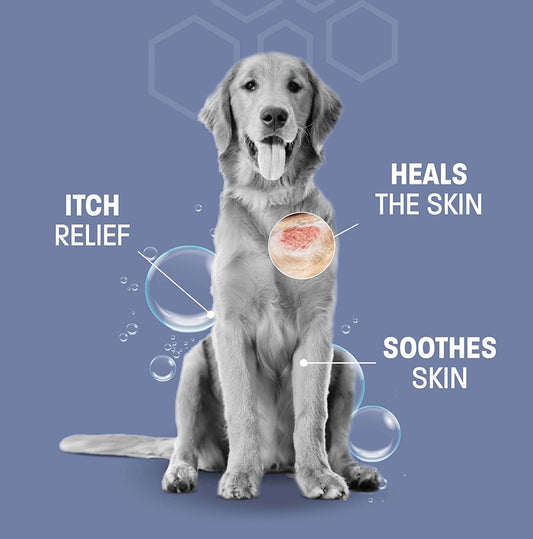
Using an antiseptic flush can help keep your dog's skin healthy. It can prevent infections from getting worse and help wounds heal faster. It also reduces itching and discomfort for your pet.
Common Ingredients in Antiseptic Flushes
Antiseptic flushes often contain ingredients like chlorhexidine, iodine, and alcohol. These ingredients help kill bacteria and fungi, keeping the skin clean and free from infection.
When to Use Antiseptic Flush for Dogs
Identifying Infections and Irritations
Recognizing when your dog needs an antiseptic flush is crucial. Signs of infections include redness, swelling, and unusual discharge. If your dog is constantly scratching or licking a particular area, it might be time for an antiseptic flush.
Post-Surgical Care
After surgery, keeping the surgical site clean is essential to prevent infections. An antiseptic flush can help maintain cleanliness and promote healing. Always follow your vet's instructions on how often to use the flush.
Preventative Measures
Using an antiseptic flush as a preventative measure can help keep your dog healthy. Regularly cleaning areas prone to infections, like ears and paws, can prevent issues before they start. This is especially important for dogs that spend a lot of time outdoors or have a history of skin problems.
Regular use of antiseptic flushes can significantly reduce the risk of infections and keep your dog comfortable and healthy.
How to Properly Administer Antiseptic Flush
Step-by-Step Guide
Administering an antiseptic flush to your dog can be straightforward if you follow these steps:
- Prepare the area: Ensure your dog is calm and in a comfortable position. Have all your supplies within reach.
- Clean your hands: Wash your hands thoroughly to avoid introducing any new bacteria.
- Apply the flush: Gently apply the antiseptic flush to the affected area, following the instructions on the product label.
- Massage the area: Lightly massage the area to ensure the solution reaches all parts of the wound or infection.
- Wipe away excess: Use a clean cloth or gauze to wipe away any excess solution.
- Monitor your dog: Keep an eye on your dog for any signs of discomfort or adverse reactions.
Tools and Supplies Needed
To properly administer an antiseptic flush, you will need the following items:
- Antiseptic flush solution
- Clean cloth or gauze
- Gloves (optional)
- Treats to reward your dog
Safety Precautions
When using an antiseptic flush, it's important to take certain safety measures:
- Read the label: Always read and follow the instructions on the product label.
- Avoid sensitive areas: Do not apply the flush near your dog's eyes, nose, or mouth unless directed by a vet.
- Watch for reactions: Be on the lookout for any signs of irritation or allergic reactions.
- Consult your vet: If you're unsure about anything, consult your veterinarian for advice.
Properly administering an antiseptic flush can help keep your dog healthy and prevent infections from worsening. Always follow the steps and safety precautions to ensure the best care for your pet.
Choosing the Right Antiseptic Flush for Your Dog
Types of Antiseptic Flushes
There are various types of antiseptic flushes available for dogs, each designed to address specific needs. Some are formulated for ear cleaning, while others are meant for skin infections. It's important to choose the right type based on your dog's condition. For instance, Vetnique Labs Oticbliss is a popular choice for ear cleaning.
Consulting Your Veterinarian
Before selecting an antiseptic flush, it's crucial to consult your veterinarian. They can provide guidance on the most suitable product for your dog's specific needs. Your vet can also help you understand how to use the product correctly to avoid any potential issues.
Reading Product Labels
When choosing an antiseptic flush, always read the product labels carefully. Look for key ingredients and ensure they are safe for your dog. Some products may contain harsh chemicals that could cause irritation. It's also helpful to check for any additional benefits, such as soothing aloe, which can be gentle on your dog's skin.
Choosing the right antiseptic flush is essential for maintaining your dog's health and hygiene. Always consult your vet and read product labels to make an informed decision.
Potential Side Effects and How to Handle Them
Recognizing Adverse Reactions
When using an antiseptic flush on your dog, it's important to watch for any signs of adverse reactions. These can include redness, swelling, or itching at the site of application. If your dog shows any signs of discomfort, such as excessive scratching or licking, it may be a sign of an allergic reaction.
Immediate Steps to Take
If you notice any adverse reactions, stop using the antiseptic flush immediately. Rinse the affected area with clean water to remove any remaining product. You can also apply a cool compress to help reduce swelling and soothe the skin. If the reaction is severe, contact your veterinarian right away.
When to Seek Veterinary Help
In some cases, adverse reactions can be more serious and require veterinary attention. If your dog experiences difficulty breathing, vomiting, or shows signs of extreme distress, seek veterinary help immediately. It's always better to be cautious and get professional advice if you're unsure about your dog's symptoms.
Always keep an eye on your dog after using any new product. Early detection of side effects can prevent more serious health issues.
Maintaining Your Dog’s Hygiene Beyond Antiseptic Flushes
Regular Grooming Tips
Regular grooming is essential for your dog's overall health. Brushing your dog's coat helps remove dirt and prevents matting. Bathing your dog with a gentle shampoo keeps their skin clean and reduces the risk of infections. Trimming your dog's nails regularly is also important to prevent discomfort and potential injuries.
Diet and Nutrition
A balanced diet is crucial for maintaining your dog's health. Ensure your dog gets the right mix of proteins, fats, and carbohydrates. Fresh water should always be available to keep your dog hydrated. Sometimes, supplements can be beneficial, but always consult your vet before adding them to your dog's diet.
Routine Veterinary Check-Ups
Regular vet visits are vital for early detection of health issues. Your vet can provide vaccinations, dental care, and general health checks. These visits help in identifying any potential problems early, ensuring your dog stays healthy and happy.
Keeping your dog clean and healthy goes beyond just using antiseptic flushes. Regular grooming, a balanced diet, and routine vet visits are key to a happy and healthy pet.
Keeping your dog's hygiene in check goes beyond just using antiseptic flushes. Regular grooming, dental care, and using quality products can make a big difference in your pet's health. For a wide range of trusted pet care items, visit our website today!
Conclusion
In summary, keeping your dog clean and healthy is crucial for their overall well-being. Using an antiseptic flush can help prevent infections and keep your pet's skin in good condition. It's important to follow the steps carefully and consult your vet if you have any concerns. By taking these simple steps, you can ensure your furry friend stays happy and healthy. Remember, a little care goes a long way in keeping your pet in top shape.
Frequently Asked Questions
What is an antiseptic flush for dogs?
An antiseptic flush is a liquid solution used to clean wounds, infections, or irritations on a dog's skin. It helps to kill germs and prevent infections.
When should I use an antiseptic flush on my dog?
You can use an antiseptic flush when your dog has a wound, skin infection, or irritation. It's also useful after surgeries or as a preventative measure to keep your dog's skin healthy.
Are there any side effects of using antiseptic flush on dogs?
Some dogs might have a reaction to the antiseptic flush, like redness, itching, or swelling. If you notice any of these, stop using the product and contact your vet.
How do I choose the right antiseptic flush for my dog?
Look for antiseptic flushes that are made for dogs. Check the ingredients and consult your vet to make sure it's safe for your pet.
Can I make my own antiseptic flush at home?
It's best to use a product made for dogs, but if you need to, you can make a simple solution with water and salt. Always ask your vet before trying a homemade solution.
How often should I use an antiseptic flush on my dog?
The frequency depends on your dog's condition. Follow the instructions on the product label or ask your vet for advice.